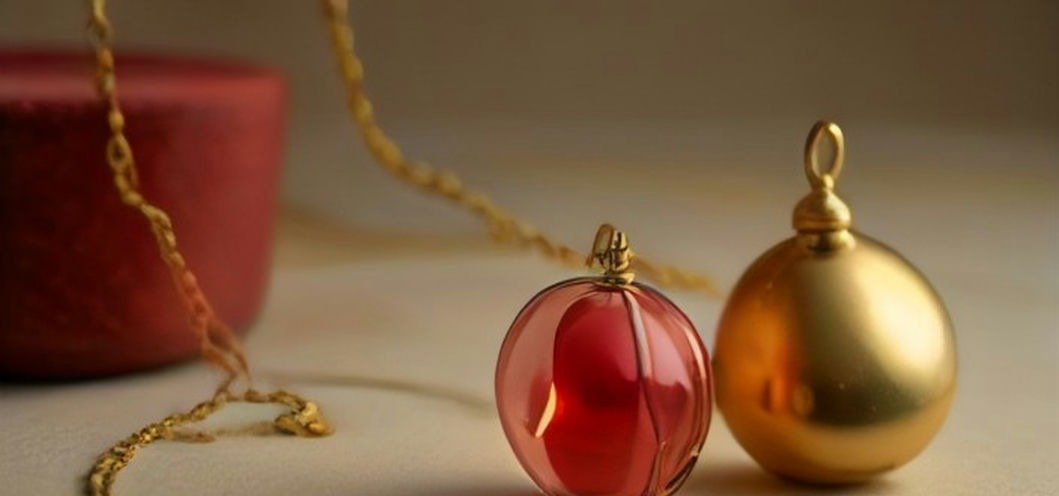
Quick answer: Babybelletje is a Dutch word that means “little baby bell,” and it has two completely different meanings. Most often it refers to a pregnancy necklace — a long chain with a small chiming ball pendant that rests on the baby bump, also known as a bola, harmony ball, or angel caller. In Dutch-speaking homes it is also the affectionate nickname for a Mini Babybel cheese — the small, round, red wax-wrapped snack. Which meaning is meant depends entirely on context: a pregnancy blog means the necklace, a lunchbox or food blog means the cheese. This guide explains both meanings honestly, separates the verified facts from the folklore, and helps you work out which one you actually searched for.
If you typed babybelletje into Google and landed here, you may have noticed something odd: half the results talk about expectant mothers and guardian angels, and the other half talk about cheese. Neither side is wrong, and neither side is making it up. The word genuinely belongs to two different worlds at once, and the search results are split down the middle between them.
That split is what makes this keyword interesting — and what makes most of the articles about it unhelpful. The pregnancy-necklace articles rarely mention the cheese at all, and the cheese articles rarely mention the necklace. A reader who finds the wrong half first can spend ten minutes reading a perfectly confident guide about something they never meant to search for. This article covers both meanings in full, explains where each one comes from, checks the claims each side makes, and gives you the practical information for whichever one you actually need: how to choose and wear the necklace safely, or what is really inside the cheese and whether it is a good snack.
What Is a Babybelletje?
The short answer is that there are two answers, and both are real. Here is the whole picture in one table before we go into detail.
| Fact | What can be verified |
|---|---|
| Word origin | Dutch — “baby” + “belletje,” the diminutive of “bel” (bell) |
| Literal translation | “Little baby bell” |
| Meaning 1 | A pregnancy necklace: a long chain with a small chiming ball pendant worn on the baby bump |
| Other names for meaning 1 | Pregnancy bola, harmony ball, angel caller, Mexican bola, llamador de ángeles, zwangerschapsketting |
| Meaning 2 | An affectionate Dutch nickname for a Mini Babybel cheese, the small round cheese in red wax |
| Meaning 2 official name | No — the official product name is Mini Babybel; babybelletje is an informal nickname |
| Cheese maker | The Bel Group, a French dairy company founded in 1865 |
| Babybel brand launched | 1952 in France; Mini Babybel followed in 1977 |
| One Mini Babybel (20–21 g) | Roughly 60–70 calories, 4–5 g protein, about 6 g fat, 0 g carbohydrate |
| Pregnancy necklace chain | Typically around 100–120 cm long, so the pendant rests on the bump, not the chest |
| When it is usually worn | From around the fourth month of pregnancy onward |
| Can the baby hear the chime? | No formal study confirms the baby hears this specific sound; babies can hear outside sounds from around 18–20 weeks |
| Known medical risk from wearing one | None known when worn responsibly; never give the pendant to a baby as a toy |
| Wikipedia page for the word | None |
| Official definition | None — the word is informal in both meanings |
The table is deliberately careful about what is proven and what is not. The word itself is Dutch, the necklace tradition is old, and the cheese is a real product with real nutrition numbers. But several of the claims that circulate about the necklace — especially the idea that the baby recognises the chime after birth — are folklore rather than science, and this article says so plainly wherever that applies.
The Word Itself: Why “Babybelletje” Means “Little Baby Bell”
To understand the word, it helps to understand how Dutch works. Dutch speakers add small endings to words to make them diminutives — the Dutch call these verkleinwoorden. The endings “-tje,” “-je,” and “-pje” do more than shrink a word: they add warmth, affection, and familiarity. A huis is a house; a huisje is a dear little house. A bel is a bell; a belletje is a little bell — and, in everyday Dutch, een belletje also means a quick phone call, as in “I’ll give you a quick ring.”
Babybelletje puts the pieces together: “baby” plus “belletje” gives you “little baby bell.” That single translation explains both meanings at once. The pregnancy necklace literally contains a little bell that chimes for the baby. The cheese is a little round thing, and its brand name — Babybel — already contains the word “baby,” so adding the Dutch diminutive “-etje” turns it into “a cute little Babybel.” Two different objects, one shared piece of wordplay.
This is also why the word has spread beyond the Netherlands. Dutch diminutives are charming in a way that translates well: the sound of the word itself feels small, soft, and affectionate, which suits both a baby’s keepsake and a child’s snack. Social media and parenting content picked the word up in late 2025 and into 2026, and it has been trending since — which is why so many small blogs have rushed to publish guides about it, and why those guides so often disagree with each other.
The Babybelletje as a Pregnancy Necklace
This is the older and, in search results, the better-covered meaning. A babybelletje in this sense is a long pendant necklace worn during pregnancy. The chain hangs low enough that the round pendant rests right against the baby bump. Inside the little sphere sits a tiny bell mechanism. Every time the mother moves, walks, or shifts in her chair, the bell chimes softly. It is not loud. It is not electronic. It is a small, mechanical tinkle, closer to a wind chime than an alarm.
The pendant is usually made from silver or silver-plated metal, though gold, rose gold, and coloured versions are common now. Many designs add a small gemstone, an engraved charm, or a coloured cord instead of a chain. The sound itself varies slightly from piece to piece: some chimes are high and bright, others are softer and lower. Makers often describe each pendant as having its own unique sound, and because the bell is handmade, that is largely true.
Where the tradition comes from
The babybelletje is not a modern invention dreamed up by a jewellery brand. The idea of a chiming pregnancy pendant has roots that stretch back centuries, and two regions get most of the credit for shaping the tradition we see today.
Mexico and the Mayan “angel caller.” In Mexico, this pendant is often called the llamador de ángeles, or “angel caller.” According to Mayan folklore, humans and their guardian spirits once lived side by side. When the angels departed, they left each person a small harmony ball, and the soft ring of the ball was believed to call the guardian angel close. Whenever someone felt scared, alone, or in need of comfort, they could shake the sphere, and the chime would summon protection. In this tradition the pendant was offered to expectant mothers from the start of pregnancy as a protective amulet for both mother and child, and it was worn from around the fourth month onward.
Bali and the harmony ball. A parallel tradition exists on the Indonesian island of Bali, where the same kind of chiming pendant — known there as a harmony ball — has been worn by pregnant women for generations. Balinese belief holds that the gentle sound protects the unborn baby and strengthens the bond between mother and child. Some writers claim the two traditions share a single ancient origin going back millennia; that is a romantic idea rather than a proven historical fact, and it should be treated as folklore, not archaeology. What is well established is that both traditions exist, both are old, and both attach the same meaning to the same object: a small sound, worn close to the baby, for protection and connection.
The Dutch word babybelletje took hold in the Netherlands and spread from there across parts of Europe. In Dutch, the same object is also called a zwangerschapsketting — literally a “pregnancy necklace.” In English-speaking countries you will most often see it sold as a pregnancy bola, a harmony ball, or an angel caller. They are all the same object under different names, and knowing the synonyms matters when you shop: searching only for “babybelletje” will show you a fraction of what is available, while searching for “pregnancy bola” opens up the full range.
Other names for the pregnancy necklace
| Name | Language / origin | What it emphasises |
|---|---|---|
| Babybelletje | Dutch | The little bell for the baby |
| Zwangerschapsketting | Dutch | The pregnancy necklace itself |
| Pregnancy bola | Spanish / international | The ball shape of the pendant |
| Harmony ball | English / Balinese | The gentle, calming sound |
| Angel caller | English translation of llamador de ángeles | The guardian-angel legend |
| Llamador de ángeles | Spanish / Mexican | The Mayan angel-caller tradition |
| Mexican bola | English | The Mexican origin of the tradition |
| Maternity necklace | English | The pregnancy use, in general terms |
Can the baby actually hear it?
This is the claim that needs the most care, because it is the one most often overstated. Here is what the science actually supports, and where it stops.
A baby’s hearing develops enough to pick up sounds from outside the womb at around 18 to 20 weeks of pregnancy, and from around 25 to 26 weeks the baby can begin to distinguish between different sounds. That timeline is accurate and widely supported by prenatal research. What babies hear clearly, from around 20 weeks onward, is the mother’s heartbeat and her voice — low, strong, close sounds.
A babybelletje produces a light, high-pitched tinkle, which is exactly the type of sound that struggles most to pass through layers of amniotic fluid, tissue, and muscle. Research on prenatal hearing suggests that external sound loses somewhere around 30 to 40 decibels of intensity by the time it reaches the baby’s ears. No formal studies have confirmed that babies clearly hear the specific sound of a babybelletje while still in the womb, and the related claim — that a newborn recognises the chime after birth and finds it calming because it remembers the womb — is a traditional belief, not a tested scientific finding.
That does not make the necklace pointless. The chime is genuinely soothing for the mother, and a calm mother is good for the baby. The necklace also works as a mindfulness cue: every soft ring reminds the wearer to pause, breathe, and think about the baby. And as a keepsake, it is lovely — many mothers keep the pendant after birth as a reminder of the pregnancy, and some pass it on to a daughter when she is expecting her own child. The honest version of the claim is simply this: the necklace is a beautiful, meaningful tradition, and its benefits are emotional and symbolic rather than medical. Any seller who tells you the baby will definitely hear it, or that it will definitely calm your newborn, is promising more than the evidence supports.
How to wear a babybelletje necklace
The rules are simple, and they come straight from the meaning of the object:
- Wear it long. The classic chain length is around 100 to 120 centimetres — roughly twice the length of a normal necklace. The pendant should rest on the bump, not on the chest, so that the chime sits close to the baby and sounds with every movement.
- Start around the fourth month. Traditional guidance says to begin wearing it from the fourth month of pregnancy, which is also around the time the baby’s hearing begins to develop. There is no rule against starting earlier or later; the fourth month is a tradition, not a medical instruction.
- Wear it daily, or whenever you like. There is no required schedule. Most mothers wear it through the day and take it off at night.
- Keep it clean and dry. Silver and silver-plated pendants tarnish with sweat, perfume, and water. Wipe the pendant with a soft cloth after wearing, and keep perfume and lotion away from it.
- Take it off before bed. This is a comfort and safety matter, not a tradition: a long chain around the neck during sleep is a tangling risk, and the pendant can press uncomfortably when you lie down.
- After the birth, keep it as a keepsake. Many mothers hang the pendant in the nursery, keep it in a jewellery box, or wear it on a shorter chain. The tradition of passing it to the next generation is part of what makes it special.
Is a babybelletje necklace safe?
Wearing a babybelletje during pregnancy carries no known medical risk when it is worn responsibly. It is a piece of jewellery, not a medical device, and it does not emit anything, heat anything, or touch the baby directly. A few sensible precautions cover everything:
- Never give the pendant to a baby as a toy. The pendant contains small parts — the bell mechanism inside the sphere — and a chain is a strangulation hazard. It is an adult’s necklace, not a baby’s rattle, and it should never be placed within a baby’s reach during sleep.
- Check the materials if you have sensitive skin. Cheap pendants are often nickel-plated, and nickel is the most common cause of jewellery allergy. If you react to costume jewellery, choose sterling silver, gold, or a stated nickel-free pendant, and check the clasp and chain as well as the ball.
- Buy from a seller who states the materials. A listing that says “silver colour” is not the same as “sterling silver.” If the listing will not say what the pendant is made of, that is a reason to buy elsewhere.
- Do not use it as a substitute for medical care. A necklace cannot monitor a pregnancy, calm a medical problem, or replace a midwife or doctor. If something worries you about the pregnancy, the necklace is not the answer — your healthcare provider is.
Choosing one: a buyer’s checklist
If you are buying a babybelletje as a pregnancy necklace — for yourself or as a gift — the differences between a good one and a disappointing one are mostly practical:
- Sound: if you can, listen to a video of the exact pendant before buying. A pleasant chime is the whole point; a harsh or rattly one will annoy you within a day.
- Chain length: look for an adjustable chain of at least 100 cm, or a cord you can knot to length. A chain that is too short defeats the purpose, because the pendant will sit on your chest instead of your bump.
- Materials: sterling silver or gold-plated silver lasts and is least likely to irritate skin. Silver-plated brass is fine if the plating is thick and the price reflects it.
- Clasp and cord strength: the pendant is heavier than a normal charm, so a flimsy clasp or a thin cord will fail. Check reviews specifically for broken chains.
- Packaging: if it is a gift, a proper gift box and a card explaining the tradition make a real difference — the story is half the present.
- Price: handmade silver bolas typically cost far more than mass-produced plated ones, and the difference is visible in the finish and the sound. There is no single “correct” price, but a suspiciously cheap pendant is usually plated base metal with a thin bell, and it will sound like it.
Babybelletje as a gift
The necklace is one of the most popular pregnancy gifts in the Netherlands and increasingly in the UK, and for good reason: it is personal, symbolic, and useful throughout the pregnancy rather than for a single day. Good occasions include a baby shower, the announcement of the pregnancy, or the start of the second trimester, when the bump begins to show and the fourth-month tradition says to start wearing it.
If you are giving one, include a short note explaining the tradition — the Mayan angel caller, the Balinese harmony ball, the idea that the chime calls protection close. Most recipients have never heard the story, and the story is what turns a piece of jewellery into a keepsake. A gift that arrives without its meaning is just a necklace; a gift that arrives with it is a memory.

The Babybelletje as a Cheese
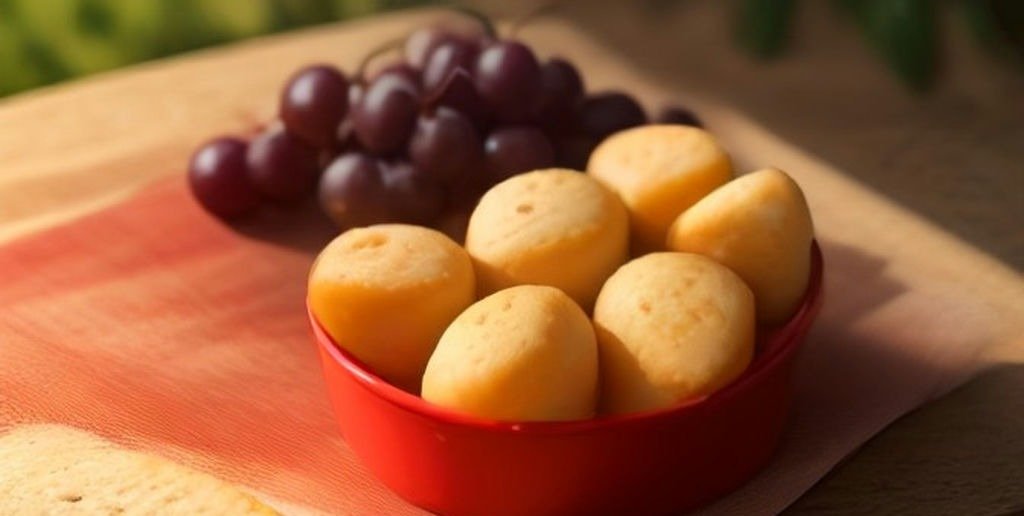
Now for the other half of the word. In Dutch-speaking homes, a babybelletje is also the affectionate nickname for a Mini Babybel cheese — the small, round, individually wrapped cheese snack in the bright red wax coating that has become a fixture of lunchboxes, office bags, and family refrigerators across Europe and North America.
This meaning is simpler than the necklace, and it is the one most Dutch speakers will think of first. In the Netherlands and Belgium, “babybelletje” in everyday conversation almost always means the cheese. The pregnancy necklace is the newer, trend-driven meaning, popularised online in late 2025 and 2026; the cheese nickname has been in use for far longer, for as long as Mini Babybel has been a familiar snack.
The history: from a French dairy to a lunchbox staple
The cheese behind the nickname has a genuine history, and it is worth telling properly because several of the blogs that rank for this keyword get the dates wrong.
The story starts in France with the Bel Group, a dairy company founded by Jules Bel in 1865. The Babybel brand itself was born in France in 1952 — a small, round, wax-coated cheese designed to be portable, portion-controlled, and instantly recognisable. The game-changing step came in 1977, when Mini Babybel was launched: the same cheese, made smaller, individually wrapped, and aimed squarely at snacking and lunchboxes. The red wax, the round shape, and the little pull-tab became iconic, and the product spread from France across Europe and then to North America and beyond.
The Dutch nickname followed naturally. “Babybel” was already a brand name; adding the Dutch diminutive “-etje” turned it into “a cute little Babybel,” which is exactly what the product is — small, round, and endearing. The nickname is informal and affectionate. It is not an official product name, and you will not find “babybelletje” on the packaging. The official name remains Mini Babybel.
What is inside a Mini Babybel?
A Mini Babybel is a semi-soft, mild, creamy cheese, typically made from pasteurised cow’s milk. It is an Edam-style cheese: mild, slightly nutty, smooth rather than crumbly, and gentle enough for children. The ingredients list is refreshingly simple — pasteurised milk, salt, lactic ferments, and microbial rennet — with no added colours or preservatives in the cheese itself. The red coating is paraffin wax, and it is not intended to be eaten: peel it off before eating the cheese.
The wax is there for a practical reason. It seals the cheese, keeps it fresh without refrigeration for short periods, and protects it in a lunchbox or bag. It is also the product’s most recognisable feature — the little red wheel with its pull-tab is one of the most distinctive food packages in the world, and the ritual of peeling the wax is part of the experience, especially for children.
Nutrition: what one babybelletje actually gives you
Nutrition figures vary slightly by country and formulation, so the honest way to present them is as a range. Figures below are for one Original Mini Babybel, a single piece of about 20–21 grams, based on the manufacturer’s label and independent nutrition databases.
| Nutrient (per piece, ~20–21 g) | Amount |
|---|---|
| Calories | 60–70 kcal |
| Protein | 4–5 g |
| Total fat | About 5–6 g |
| Saturated fat | About 3–4 g |
| Carbohydrates | 0 g |
| Sugars | 0 g |
| Sodium | About 140–180 mg |
| Calcium | Around 10% of the daily value |
A few things to note about those numbers. First, the protein is complete dairy protein — it contains all nine essential amino acids — which is why a small piece is surprisingly filling for its size. Second, the saturated fat is the one real flag: a single piece carries roughly 20% of the recommended daily limit, so it is a snack to enjoy in moderation rather than by the handful. Third, the zero carbohydrate and zero sugar figures make it a genuinely low-carb, keto-friendly snack. And fourth, the light version is a meaningful step down: Babybel Light has around 42–50 calories per piece and roughly half the saturated fat of the Original.
The varieties
The Original red-wax wheel is the classic, but the range has grown considerably, and the varieties differ enough to matter:
- Original (red wax): the classic — mild, creamy, semi-soft Edam-style cheese.
- Light (blue or light-blue wax): lower in calories and saturated fat, slightly less rich in flavour.
- White Cheddar: sharper and firmer than the Original, for people who find the classic too mild.
- Mozzarella style: softer and stretchier, aimed at children and at melting.
- Gouda: a slightly sweeter, nuttier profile than the Original.
- Plant-based: a dairy-free version for people who avoid milk; check the label, because its nutrition profile differs from the dairy versions.
Because recipes differ by product and by country, the packaging is always the final authority on ingredients and allergens. If you have a milk allergy, note that all dairy varieties contain milk, and check the plant-based version’s label separately — “plant-based” does not automatically mean allergen-free.
Is a babybelletje a healthy snack?
The fair answer is: it is a good snack, not a perfect one. On the plus side, it is portion-controlled by design — one piece is one serving, so you cannot accidentally eat a block’s worth. It delivers real protein and calcium with no sugar and no carbohydrate, it needs no preparation, and it keeps well. For children, for office desks, and for post-workout snacking, it is one of the more sensible packaged snacks available.
On the minus side, it is a processed cheese with a meaningful amount of saturated fat and salt for its size. Two or three pieces at once — easy to do, because they are small and moreish — add up to 140–210 calories and a large share of your daily saturated fat. It is also not a substitute for a meal: 4–5 grams of protein is a snack’s worth, not a meal’s worth.
The practical rule is simple: one piece as a snack, paired with something fresh — an apple, a handful of grapes, some cucumber sticks — is a genuinely good choice. A whole net of them as a meal replacement is not. That is the whole honest verdict, and it is more useful than either the “superfood” praise or the “processed junk” dismissal you will find in some of the ranking articles.
Lunchbox and snack ideas
Because the babybelletje is first and foremost a lunchbox cheese, here is how people actually use it:
- The classic lunchbox: one or two Mini Babybels with crackers, grapes, and cucumber sticks — protein, crunch, and freshness in one box.
- After school: a single cheese with an apple or a banana — enough to bridge the gap to dinner without spoiling it.
- Office desk snack: one piece with a handful of nuts or a small salad; the wax wrapping means no smell, no mess, and no fridge needed for a few hours.
- Charcuterie and party boards: the red wax wheels add colour and a talking point; peel a few in advance and leave a few sealed so guests can peel their own.
- Cooking: the cheese melts well, so it works in toasties, on top of pasta bakes, or inside a quesadilla — though at its price per gram, it is an expensive way to buy melting cheese.
- Travel: the wax seal and individual wrapping make it one of the few cheeses that survives a bag, a car, and a picnic without a cool box for a short trip. Keep it out of direct sun and eat it the same day.
Storage
Keep Mini Babybel refrigerated. The wax protects it for short periods at room temperature — a school day or a car journey — but it is a fresh dairy product, and it should live in the fridge the rest of the time. Check the best-before date on the net, and if a wheel smells sour or the cheese feels slimy under the wax, throw it away. Once peeled, eat it promptly; the wax is the protection, and without it the cheese dries out quickly.
The Two Meanings Side by Side
Because the whole point of this keyword is the split, here is the comparison in one place:
| Pregnancy necklace | Cheese snack | |
|---|---|---|
| What it is | A long chain with a chiming ball pendant | A small round cheese in red wax |
| Dutch name origin | “Baby” + “belletje” (little bell) | “Babybel” + “-etje” (little Babybel) |
| Other names | Bola, harmony ball, angel caller, Mexican bola | Mini Babybel |
| Official name | None — a traditional object | Mini Babybel (babybelletje is a nickname) |
| Origin | Mayan and Balinese traditions, centuries old | France, 1952 (Mini version 1977) |
| Who it is for | Expectant mothers | Anyone, especially children and lunchboxes |
| Price range | Varies widely by material, from a few euros to over a hundred | A few euros for a net of several pieces |
| What it costs you | Nothing ongoing — a keepsake | About 60–70 calories per piece |
| Risk | None known, if worn responsibly and kept from babies | Saturated fat and salt if eaten in quantity |
| Where you will see the word | Pregnancy and parenting blogs, jewellery shops | Food blogs, lunchbox guides, Dutch supermarkets |
| What to check before buying | Materials, chain length, sound, clasp | Ingredients, allergens, best-before date |
Other Meanings You Might Meet
The word has picked up a few extra meanings, mostly through social media and everyday Dutch slang, and they are worth a quick mention so they do not confuse you:
- A quick phone call about baby news. In Dutch, een belletje means a quick phone call, so humorous parents sometimes joke about making a “baby-belletje” to announce newborn updates. This is wordplay, not a product.
- Baby bubbles. Belletjes also translates as little bubbles, and the word is sometimes used for the cute saliva bubbles babies blow while teething. Again, this is a colloquial use, not a defined term.
- A soft lifestyle aesthetic. In 2025 and 2026, some lifestyle and social media content has used “babybelletje” as a label for a gentle, baby-themed aesthetic — soft colours, small comforts, cosy minimalism. This is a trend label, not a standard meaning, and it borrows the word’s warm, diminutive feeling rather than referring to either the necklace or the cheese.
None of these is the primary meaning. If you searched for the word, you almost certainly meant the necklace or the cheese — and the rest of this article assumes one of those two.
How the Top Blogs Get Babybelletje Wrong
The word has real competition, and the top-ranking pages are all small independent blogs. Reading them side by side is instructive, because the same weaknesses appear again and again — and because the two halves of the search results barely acknowledge each other.
| Competitor blog | What it claims babybelletje is | Main weakness |
|---|---|---|
| reuterings.co.uk | A pregnancy necklace with Mayan and Balinese roots | The strongest pregnancy-necklace guide, but it treats folklore as fact — the claim that babies hear the chime is stated without the honest caveat that no study confirms it |
| wpsticky.com | A pregnancy necklace; meaning, benefits, safety, and gift ideas | Sensible and well organised, but it also leans on the unproven idea that the baby recognises the sound, and it never mentions the cheese meaning at all |
| stealthgram.info | The Mini Babybel cheese snack | A thorough cheese guide, but it presents the cheese as the only meaning of the word and ignores the pregnancy necklace entirely |
| headlinetrack.co.uk | A mini cheese snack | Careful about ingredients and the “check the package” advice, but thin — little history, no nutrition table, and no mention of the necklace |
| wellhealthorganic1.com | The Mini Babybel cheese, as a Dutch nickname | Warm and readable, with good material on the word’s origin, but it treats the cheese as the whole story and never addresses the other meaning |
The pattern across all five pages is the same, and it is the pattern this blog has documented before with other trending words: each article picks one meaning, treats it as the whole truth, and never tells the reader the other half exists. A reader who searches for the necklace and lands on the cheese article will think the results are broken. A reader who searches for the cheese and lands on the necklace article will think the same. The confusion is the correct response — it is the signal that the word has two meanings and the sources have each chosen one.
This is the same trap this blog has documented with other invented and trending keywords. The guide to Feschon looks at another term the internet cannot agree on, and the profile of Shani Levni deals with a subject whose public record is far thinner than the articles written about it — both handle the gap the same way this article does: by checking each claim, keeping only what can be verified, and saying plainly where the record ends.
Which Meaning Did You Mean? How to Tell from Context
If you are still unsure which half of the word you need, the context of your own search is the best guide:
- You saw it on a pregnancy or parenting page, a baby shower list, or a jewellery shop — you mean the necklace. Look for the words bola, harmony ball, or angel caller alongside it.
- You saw it in a Dutch supermarket, a lunchbox guide, or a food blog — you mean the cheese. Look for the words Mini Babybel, red wax, or lunchbox alongside it.
- You saw it on social media with no context — check the image. A long gold chain with a round pendant is the necklace; a small red wax wheel is the cheese. The picture settles it instantly.
- Someone said it to you in Dutch — ask whether they mean the ketting (necklace) or the kaas (cheese). In everyday Dutch conversation, without any other context, the cheese is the more likely meaning, because it is the older, everyday use of the word.
- You are buying a gift — the necklace is a pregnancy gift; the cheese is a stocking filler or a lunchbox snack. The occasion tells you which one to buy.
Is a Babybelletje Worth Buying?
That depends entirely on which one you mean, so here is the honest verdict for each:
The necklace is worth buying if you are pregnant or buying for someone who is, you like the tradition and the symbolism, and you choose a well-made piece in a material that suits your skin. It is a keepsake first and a piece of jewellery second, and its value is in the meaning attached to it rather than in any medical effect. It is not worth buying if you expect it to calm your baby, help your baby hear, or do anything medical — those are not things it can promise.
The cheese is worth buying if you want a portion-controlled, protein-containing snack that needs no preparation and survives a lunchbox. It is one of the better packaged snacks for children and for busy days. It is not worth buying as a health food or a meal replacement — the saturated fat and salt are real, and the protein per piece is modest.
Both meanings share one quality: they are small, simple, and charming, and they do exactly what they claim to do, as long as you do not ask them to do more. The necklace chimes softly and marks a pregnancy beautifully. The cheese is a tasty, convenient snack. The disappointment only arrives when someone promises you that the necklace will soothe your newborn, or that the cheese is a superfood. Neither claim is true, and neither is needed — both things are good enough as they are.
Frequently Asked Questions About Babybelletje
What does babybelletje mean?
Babybelletje is a Dutch word that means “little baby bell.” It comes from “baby” plus “belletje,” the diminutive of “bel,” the Dutch word for bell. It has two meanings: a chiming pregnancy necklace, and an affectionate Dutch nickname for a Mini Babybel cheese.
Is a babybelletje a pregnancy necklace or a cheese?
Both. As a pregnancy necklace it is a long chain with a small chiming ball pendant worn on the baby bump, also known as a bola, harmony ball, or angel caller. As a cheese it is the Dutch nickname for a Mini Babybel, the small round cheese wrapped in red wax. Context tells you which one is meant: pregnancy and parenting pages mean the necklace; food and lunchbox pages mean the cheese.
Can my baby hear the babybelletje while I am pregnant?
There is no verified source confirming that a baby can clearly hear the specific chime of a babybelletje in the womb. Babies can hear outside sounds from around 18 to 20 weeks, but the chime is a light, high-pitched sound that loses much of its intensity passing through the womb. The idea that the baby recognises the sound after birth is a traditional belief, not a tested scientific finding. The necklace is best valued as a beautiful keepsake and a calming ritual for the mother.
Is a babybelletje necklace safe to wear during pregnancy?
Yes, wearing one carries no known medical risk when worn responsibly. Choose a nickel-free material if you have sensitive skin, take it off before bed, and never give the pendant to a baby as a toy — it contains small parts and the chain is a hazard for infants. It is jewellery, not a medical device, and it is not a substitute for medical care.
When should I start wearing a babybelletje necklace?
Traditional guidance says from around the fourth month of pregnancy, which is also around the time the baby’s hearing begins to develop. There is no medical rule about the timing, so starting earlier or later is fine. The chain should be long enough — around 100 to 120 centimetres — for the pendant to rest on the bump.
Is babybelletje an official product name for the cheese?
No. The official product name is Mini Babybel. Babybelletje is an informal, affectionate Dutch nickname meaning “a little Babybel.” You will not find the word on the packaging.
How many calories are in one babybelletje cheese?
One Original Mini Babybel, a single piece of about 20 to 21 grams, contains roughly 60 to 70 calories, 4 to 5 grams of protein, about 5 to 6 grams of fat, and no carbohydrate or sugar. Figures vary slightly by country and formulation, so check the packaging for the exact numbers where you buy it.
Is Mini Babybel healthy?
It is a good snack rather than a perfect one. It is portion-controlled, provides complete protein and calcium, and contains no sugar. Its main drawbacks are saturated fat — about 3 to 4 grams per piece — and salt. One piece with fresh fruit is a genuinely good snack; several pieces at once add up quickly.
Do you eat the red wax on a babybelletje?
No. The red wax coating is paraffin wax, and it is not intended to be eaten. Peel it off using the pull-tab before eating the cheese. The wax protects the cheese and keeps it fresh; once peeled, eat the cheese promptly.
What is a babybelletje as a gift?
As a pregnancy necklace it is a popular baby shower or second-trimester gift, especially when given with a note explaining the Mayan angel-caller and Balinese harmony-ball traditions. As a cheese it is a lunchbox staple and a stocking filler. The occasion tells you which one to buy.
Where does the babybelletje tradition come from?
The chiming pregnancy pendant has roots in Mexico, where it is called the llamador de ángeles (angel caller) in Mayan folklore, and in Bali, where it is known as a harmony ball. The Dutch word babybelletje took hold in the Netherlands and spread across parts of Europe. The cheese nickname comes from the Netherlands and Belgium, where Dutch speakers added the diminutive “-etje” to the Babybel brand name.
Is babybelletje the same as a harmony ball?
Yes, when it means the necklace. A babybelletje pregnancy necklace is the same object as a harmony ball, a pregnancy bola, a Mexican bola, and an angel caller — a hollow sphere with a small bell inside, worn on a long chain during pregnancy. The different names come from different languages and traditions, not from different objects.
Final Thoughts
Babybelletje is a small word with two lives, and the honest ending to its story is not to pick one life and pretend the other does not exist. It is a Dutch diminutive that means “little baby bell,” and it belongs equally to a chiming pregnancy necklace with centuries of folklore behind it and to a small red-waxed cheese that has sat in lunchboxes since 1977. The necklace carries the Mayan angel caller and the Balinese harmony ball in its history; the cheese carries the Bel Group, a French dairy founded in 1865, and a brand born in 1952. Both are real. Both are loved. Neither is the “correct” meaning on its own.
If that feels untidy, it is worth remembering that language is often untidy. Words pick up second meanings, and search results split, and the articles that rank first are the ones that pretend the split does not exist. The skill is the same one this blog keeps coming back to — whether the subject is a word like Mannacote, a person, or a place: check who is behind the claim, check whether the sources agree, and be honest about where the evidence runs out. For the necklace, the evidence runs out at the claim that the baby hears the chime. For the cheese, the evidence is solid and printed on the packet. Knowing which is which is more useful than any single definition.
So if you came here looking for the necklace, you now know what it is, where it comes from, how to wear it, and what it cannot promise. If you came here looking for the cheese, you now know what is inside it, what it costs you in calories, and how to use it well. And if you came here simply because the word itself charmed you — a little baby bell, in a language that makes small things sound dear — then you have found the real reason the word has travelled so far. It sounds like what it is: something small, soft, and worth keeping close.
