Nomurano is a word you may have started seeing in design and lifestyle corners of the internet — usually attached to serene interiors, natural materials, and a slower way of living. Here is the honest definition up front: nomurano is a modern coined term for Japanese-inspired calm, intentional living — simple spaces, useful objects, natural materials, and mindful daily rhythms. It is not an ancient Japanese philosophy with centuries of history (some blogs imply otherwise; it isn’t). It is a recent internet-era concept, and this guide treats it as exactly that: a useful modern idea for designing a calmer home and life, explained clearly with principles, practical steps, and FAQs.
What Does Nomurano Mean?
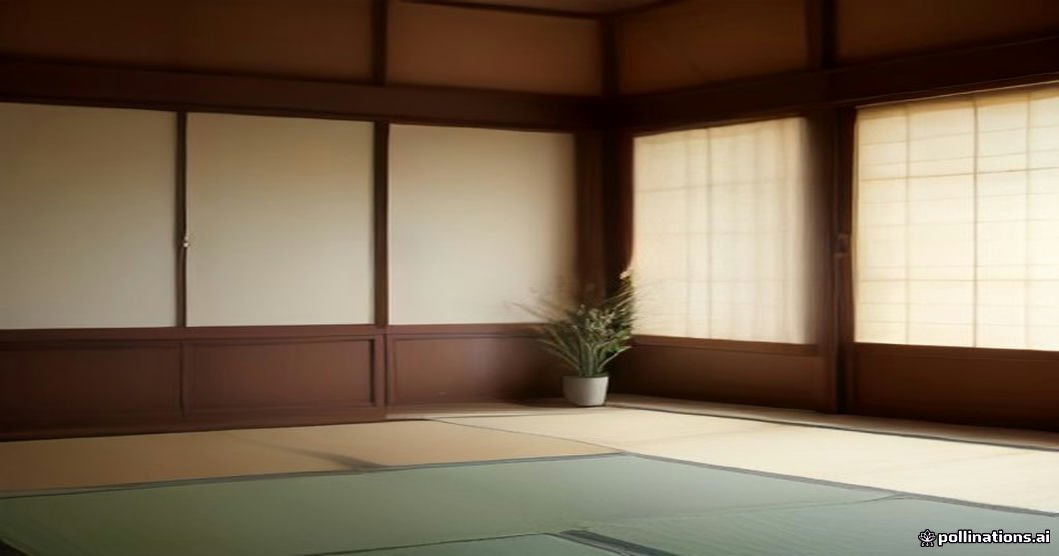
Strip away the mystique and nomurano comes down to one sentence: create spaces with a clear purpose, using natural materials, and live in them deliberately. A room does not need many objects — it needs the right ones: useful, comfortable, or meaningful to the person who lives there.
The idea connects simple living with care for nature. A nomurano-inspired home, hotel, or retreat uses natural materials, saves energy, wastes less, and still welcomes modern tools — as long as each tool earns its place. Think of it as minimalism with warmth: clean and uncluttered, but never cold.
The Core Principles of Nomurano
| Principle | What It Means in Practice |
|---|---|
| Intentional simplicity | Every object has a purpose; remove what doesn’t serve you |
| Natural materials | Wood, linen, stone, clay, and other honest textures over plastic and veneer |
| Calm light | Daylight first; warm, low lighting in the evening |
| Useful beauty | Things should be beautiful AND functional — decoration alone doesn’t qualify |
| Less waste | Buy less, repair more, choose things built to last |
| Quiet rhythm | Daily routines with breathing room — unhurried mornings, real breaks |
These six ideas are the whole system. Everything else — the room guides, the shopping choices, the routines — is just these principles applied to specific situations. Readers who enjoy sorting big ideas into clean frameworks may also like our uncuymaza guide, which organizes another confusing topic the same way.
How to Apply Nomurano at Home: Room by Room
You do not need to renovate. Nomurano is mostly subtraction plus a few deliberate additions. Work one room at a time:
- Start with surfaces. Clear every flat surface in the room. Put back only what you use daily or genuinely love. This single step delivers 80% of the calm.
- Living room. One comfortable seat per person, one warm light source, one natural texture (a wool throw, a wooden bowl). Hide cables. Let daylight do the decorating.
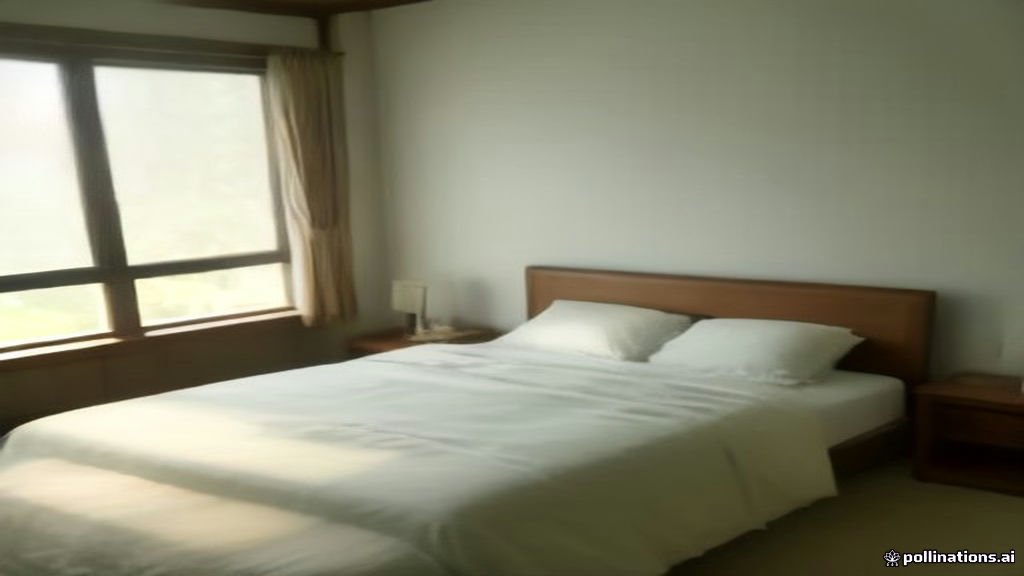
- Bedroom. Bed, one bedside surface, soft warm light. No screens if you can manage it — or at least no screens glowing after bedtime. Linen or cotton bedding in earth tones.
- Kitchen. Keep counters nearly empty: the tools you use every day, nothing else. Open shelving with a few beautiful everyday items beats crammed cupboards.
- Bathroom. Decant products into simple containers, keep one or two plants that like humidity, and let it feel like a small spa rather than a storage unit.
- Entryway. A place for shoes, a hook for your coat, a small tray for keys. The entry sets the tone — calm here means calm everywhere.
Give each room a week. Rushing turns a calming philosophy into another stressful project, which misses the point entirely. A similarly patient, step-by-step approach runs through our pyntekvister twig-display tutorial — good results come from unhurried sequences.
Nomurano vs Minimalism: What’s the Difference?
People often ask whether nomurano is just minimalism renamed. They overlap, but the emphasis differs:
| Nomurano | Classic minimalism | |
|---|---|---|
| Core question | “Does this support a calm, deliberate life?” | “Do I need this?” |
| Warmth | Warm by design — natural textures, soft light | Can feel stark or cold |
| Nature | Central — materials and rhythms from nature | Optional |
| Culture | Japanese-inspired aesthetics (wabi-sabi influence) | No cultural anchor |
| Goal | Calm and intention | Less stuff |
In short: all nomurano spaces are minimalist, but not all minimalist spaces are nomurano. The difference is warmth and intention — a white box with nothing in it is minimal; a quiet room with wood, linen, and daylight is nomurano.
Common Misconceptions About Nomurano
- It is not an ancient philosophy. No centuries-old texts, no founding master. It is a modern coined term — useful, but new.
- It is not a religion or spiritual practice. It borrows calm from ideas like wabi-sabi but asks nothing of your beliefs.
- It is not about owning nothing. Useful, beautiful things are welcome. The enemy is clutter, not possessions.
- It is not expensive. Subtraction is free. The costliest mistake is buying a whole new “nomurano look” — start by removing, not shopping.
- It is not only for houses. Renters, small apartments, even a single desk can follow the principles. Scale is irrelevant; intention is everything.
Sorting honest definitions from hype matters for every obscure term — our asbestlint guide takes the same “what it is and isn’t” approach.

Frequently Asked Questions
What is nomurano?
Nomurano is a modern coined term for Japanese-inspired calm, intentional living — simple purposeful spaces, natural materials, and unhurried daily rhythms.
Is nomurano a real Japanese philosophy?
No. It is not a documented traditional philosophy. It is a recent internet-era concept inspired by Japanese aesthetics like wabi-sabi and by Scandinavian-style simplicity.
Is nomurano the same as minimalism?
Not quite. Minimalism asks “do I need this?”; nomurano asks “does this support a calm, deliberate life?” — with more emphasis on warmth, nature, and intention.
How can I use nomurano in a small apartment?
Start with surfaces: clear them, keep only daily-use or loved items, add one natural texture and warm light. The principles scale to any size.
Does nomurano require buying new furniture?
No — it starts with removing, not shopping. Keep what serves you, repair what breaks, and only add pieces that are both useful and beautiful.
What materials fit the nomurano style?
Wood, linen, cotton, stone, clay, wool — honest natural textures. Avoid glossy plastic and imitation finishes where you can.
Can nomurano apply to digital life too?
Yes. The same principles work: clear your desktop, keep only apps you use, silence non-essential notifications, and give your attention the same calm you give your rooms.

[…] See also Nomurano: A Modern Guide to Japanese-Inspired Calm Living […]