Saiya Miller: Artist, Author, Educator and the Story Behind Not Your Mother’s Meatloaf
Quick answer: Saiya Miller is an American artist, author, educator and activist best known as the co-editor, with Liza Bley, of Not Your Mother’s Meatloaf: A Sex Education Comic Book (Soft Skull Press, 2013). She is the older sister of actor Ezra Miller and of her younger sister Caitlin Miller, grew up in Wyckoff, New Jersey, and studied at Eugene Lang College of Liberal Arts at The New School in New York City. She works as an educator teaching art and music, runs youth workshops and zine projects, and keeps a private life with no public social media. Her birth date is not publicly verified, so no age should be stated for her.
Most online profiles introduce Saiya Miller in a single borrowed phrase: Ezra Miller’s sister. That label is accurate, but it is also the reason so much writing about her is thin, repetitive and often wrong. It treats a working artist, author and educator as a footnote to a famous sibling, and then fills the gaps with invented ages, invented relationships and invented net worth figures that no reliable source has ever confirmed.
Saiya Miller deserves a fuller and fairer account. Her own work stands on its own: a sex education comic book that began as a student zine, grew through several handmade issues, and became a published book that is still discussed in comics, education and graphic medicine circles more than a decade later. The book did not arrive by celebrity association. It arrived because two students at Eugene Lang College asked young people to draw honestly about sex education, and kept going until a publisher said yes.
This article centres that work. It explains who Saiya Miller is in her own right, where she grew up, what she studied, how Not Your Mother’s Meatloaf was made, what the book actually contains, and what she does now as an educator and activist. It also separates verified facts from rumour, because the gossip pages that dominate search results for her name routinely present guesses as facts. Where a fact is unverified, this article says so plainly instead of guessing.
If you came here only for the family connection, you will find it here too, stated accurately and without exaggeration. But if you stay for the whole story, you will leave knowing something more useful: how a small zine project became a book, why honest sex education in comics mattered then and still matters now, and why Saiya Miller’s teaching work is the thread that connects everything she has done.
Who Is Saiya Miller?
Saiya Miller is an American artist, author, educator and activist. Those four words, in that order, describe her better than any family label. She makes art, she makes books, she teaches, and she campaigns for honest education for young people. The best-known public record of her work is the book she co-edited with Liza Bley, Not Your Mother’s Meatloaf: A Sex Education Comic Book, published by Soft Skull Press in 2013. The book is a collection of frank, illustrated personal narratives about sex education, drawn and written by young people and edited into a coherent whole.
She is also, verifiably, the older sister of actor Ezra Miller, known for The Perks of Being a Wallflower, Fantastic Beasts and The Flash, and the older sister of Caitlin Miller, her younger sister. That family fact is real and widely documented. What is not documented, and should not be repeated as fact, is almost everything the gossip sites add around it: a birth date, an age, a partner, a relationship history, or a net worth. None of those details is publicly verified for Saiya Miller, and this article does not state any of them.
Part of the reason for the confusion is that Saiya Miller keeps a private life. She has no public social media presence that can be reliably attributed to her, and she does not give the kind of celebrity interviews that fill in biographical gaps. That privacy is a choice, and it should be respected. It also means that responsible writing about her has to work from what is actually on the public record: her book, her conference presentations, her teaching work, and interviews given in connection with that work, including a primary-source interview published by Graphic Medicine.
When you read her that way, a clear picture emerges. She grew up in a creative household in New Jersey, studied at a liberal arts college in New York City that encouraged self-directed projects, and turned a classroom idea into a publishing project that outlived the classroom. She then carried the same impulse into teaching: art and music education, youth workshops, zines, and activism around youth empowerment and honest sex education. The book was not a one-off. It was the first public expression of a working life built around making things with young people and for young people.
Saiya Miller at a Glance
The table below collects only the facts that are verified on the public record. Anything not listed here should be treated as unconfirmed until a reliable source confirms it.
| Fact | Verified detail |
|---|---|
| Full name | Saiya Miller |
| Occupation | Artist, author, educator and activist |
| Best known for | Co-editor (with Liza Bley) of Not Your Mother’s Meatloaf: A Sex Education Comic Book (2013) |
| Family | Older sister of actor Ezra Miller; older sister of Caitlin Miller |
| Parents | Marta Miller (modern dancer) and Robert S. Miller (publishing executive) |
| Hometown | Wyckoff, New Jersey |
| Education | Eugene Lang College of Liberal Arts at The New School, New York City |
| Publisher | Soft Skull Press (a Counterpoint Press imprint) |
| Book tour | September–October 2013 |
| Public social media | None publicly verified |
| Birth date / age | Not publicly verified — do not state an age |
Two details in that table deserve emphasis. First, her father, Robert S. Miller, was a publishing executive — senior vice president and managing director of Hyperion Books — so books and publishing were part of the household she grew up in. Second, her mother, Marta Miller, was a modern dancer, so performance and the body as a subject were also close at hand. Neither fact explains the book on its own, but together they help explain why a young artist would think of comics, bodies and education as natural material for serious work rather than as awkward or off-limits subjects.
Early Life and Family in Wyckoff, New Jersey
Saiya Miller grew up in Wyckoff, New Jersey, with her siblings Ezra Miller and Caitlin Miller. Wyckoff is a suburban township in Bergen County, and the Miller household there was, by every reliable account, a creative one. Her mother Marta Miller worked as a modern dancer. Her father Robert S. Miller worked in publishing, rising to senior vice president and managing director of Hyperion Books. Art, movement and books were therefore not distant abstractions in her childhood; they were the work her parents did.
That background matters for understanding her later choices, but it should not be overstated. Growing up around publishing does not automatically make someone an author, and growing up around dance does not automatically make someone an artist. What it does suggest is that creative work was treated as real work in her home, and that making things — a performance, a book, a drawing — was a normal way to respond to the world. Her later decision to make a zine, and then a book, fits that pattern: when she saw a gap in sex education, she made something to fill it.
Her siblings took different public paths. Ezra Miller became an actor, first noticed in The Perks of Being a Wallflower and later widely known through the Fantastic Beasts films and The Flash. Caitlin Miller, the youngest of the three, has kept a much lower public profile. Saiya Miller, as the eldest, took the path of an artist and educator rather than a performer. The three siblings share a family, not a career, and writing about Saiya Miller only through Ezra Miller’s filmography misses the work she actually does.
It is also worth stating plainly what is not known about her early life. No reliable public source gives a verified birth date, so no age can be calculated or stated. Schooling before college, beyond the verified fact of her later study at Eugene Lang, is not documented in the public sources used for this article. Rather than inventing those details, this article leaves them blank. A blank is more honest than a guessed date that then gets copied from site to site until it looks like a fact.
Education at Eugene Lang College of Liberal Arts
Saiya Miller studied at Eugene Lang College of Liberal Arts at The New School in New York City. Eugene Lang is known for small classes, interdisciplinary study and self-directed projects, and that environment is directly relevant to her best-known work, because Not Your Mother’s Meatloaf began there as a student project in 2008 rather than as a commercial publishing proposal.
The college setting explains a lot about the book’s character. It was not commissioned by a publisher looking for a sex education title. It was not written by experts lecturing downwards to teenagers. It began as an open call: young people were invited to make comics about sex education, drawing on their own experiences. That is a classroom idea and a community idea before it is a publishing idea, and the book keeps that character throughout. Its authority comes from lived experience, honestly drawn, rather than from a textbook voice.
Studying in New York City also placed her in a comics and zine culture where self-publishing was normal and cheap. A zine could be photocopied, stapled, handed out and discussed without waiting for permission from a publisher. That low barrier mattered. It meant the project could start immediately, learn from each issue, and build an audience before anyone had to decide whether it was a book. Many independent creators follow the same path, starting with a small handmade object and letting it grow — a pattern familiar to anyone who has followed how a single idea, even one as unexpected as pappedeckel, can become a complete published piece when someone keeps building it patiently.
Her time at Eugene Lang therefore did more than give her a degree. It gave her the project that would define her public work, the collaborator she would make it with, and a method — open calls, workshops, zines, honest conversation — that she would carry into her later teaching. The college is not just a line on a biography page. It is where the book was born.
Not Your Mother’s Meatloaf: How a Zine Became a Book
The origin story of Not Your Mother’s Meatloaf: A Sex Education Comic Book is the most important part of Saiya Miller’s story, and it is also the part most short profiles skip. They name the book, give the year, and move on to her brother. The fuller story is more interesting, and it explains why the book still matters.
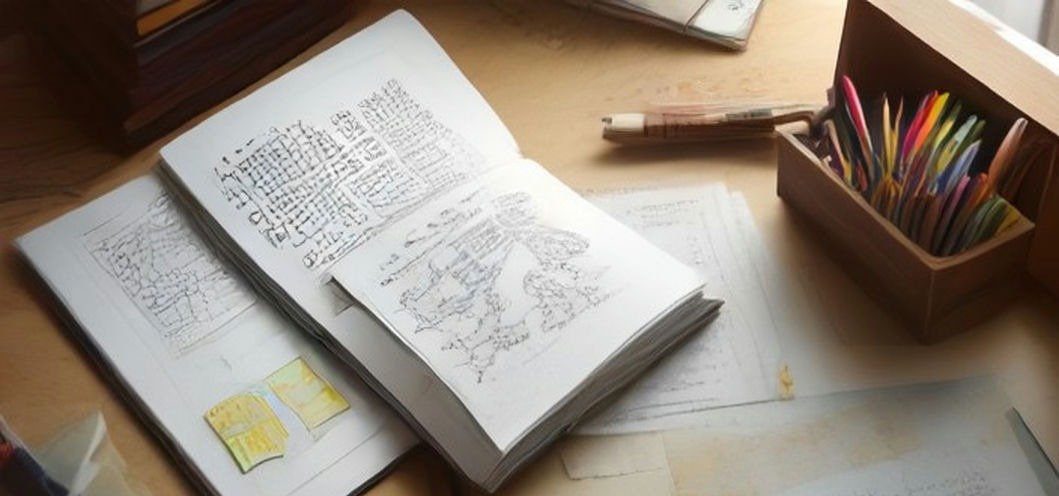
The project began in 2008 at Eugene Lang College. Saiya Miller and Liza Bley put out an open call for young people to make comics about sex education. The premise was simple and radical at the same time: instead of adults telling young people what sex education should be, young people would draw what it had actually been like for them — what they were taught, what they were not taught, what confused them, what hurt, what was funny, and what they wished someone had said. The response became a zine, and then several zine issues, each one a small handmade collection of those comics.
A zine is the right form for that material. It is cheap, fast, personal and unpolished in the best sense: a drawing made by a teenager about a first experience does not need a publisher’s polish to be true. The zine issues circulated, found readers, and built a case that there was an audience for a longer, more permanent version. That case eventually reached Soft Skull Press, an imprint of Counterpoint Press, which picked up the book proposal in June 2012. The book was published in 2013, with a foreword by Joyce Farmer, a respected comics artist and a fitting voice to introduce a collection about bodies, honesty and drawing.
The book tour followed in September and October 2013, taking the editors and the book to readers in person. Saiya Miller also presented the work at Graphic Medicine conferences in Chicago and Toronto, placing the book in a conversation about comics and health that was growing at the time. Graphic Medicine, as a field, treats comics as a serious way to talk about illness, bodies, care and health education — exactly the territory this book occupies. Her presence at those conferences is a useful marker of how the book was received: not as celebrity gossip, and not as a novelty, but as a contribution to how comics can teach and heal.
The timeline below puts those steps in order, because the five years from zine to book are the heart of the story. A project that takes five years is not an overnight success. It is a sustained act of editing, drawing, organising and believing that young people’s own stories deserve print.
Timeline: From Zine to Published Book
| Year | What happened |
|---|---|
| 2008 | Project begins at Eugene Lang College: open call for young people to make comics about sex education; first zine issues follow |
| 2008–2012 | Several zine issues published and circulated; the collection grows issue by issue |
| June 2012 | Soft Skull Press (Counterpoint Press imprint) picks up the book proposal |
| 2013 | Not Your Mother’s Meatloaf: A Sex Education Comic Book published by Soft Skull Press, with a foreword by Joyce Farmer |
| September–October 2013 | Book tour |
| 2013 onwards | Saiya Miller presents the work at Graphic Medicine conferences in Chicago and Toronto |
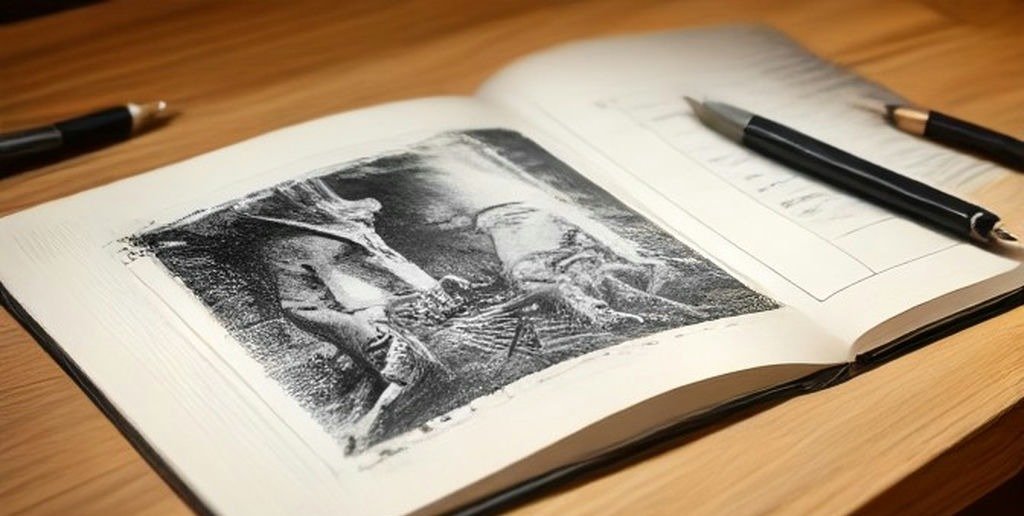
The five-year arc matters for another reason: it shows how editing works when the material is personal. Miller and Bley were not just collecting drawings. They were choosing, sequencing, framing and caring for other people’s vulnerable stories, and doing it in a way that kept the contributors’ voices intact. That editorial care is visible in the finished book, which reads as a chorus rather than a lecture. Different artists, different styles, different experiences, held together by a shared honesty about bodies and education.
What Is Inside the Book?
It helps to be clear about what Not Your Mother’s Meatloaf is and what it is not. It is not a textbook. It does not present a curriculum, a set of diagrams with labels, or a list of rules. It is a collection of frank, illustrated personal narratives — comics in which young people tell their own stories about sex, bodies, health and growing up. The drawing does the explaining that words alone often fail at, and the personal voice does the persuading that a textbook voice cannot.
The book is organised around themes that follow a human life rather than a syllabus. Those themes include Firsts, Bodies, Health, Age and Endings — first experiences, the experience of living in a body, health and care, the way age and timing shape experience, and endings, including break-ups, loss and change. That structure is one of the book’s strengths. A reader can enter at the theme that matches their own question and find several different honest answers, rather than a single official one.
- Firsts: first experiences told without embarrassment or moralising, in the contributor’s own voice.
- Bodies: how bodies look, feel, change and are judged — drawn frankly rather than idealised.
- Health: care, clinics, questions and mistakes, including what good information actually sounds like.
- Age: timing, pressure, waiting and growing up at different speeds.
- Endings: break-ups, loss and change, treated as part of the story rather than as failures.
That honesty is the point. Sex education, as many contributors describe it, often arrives too late, too vague, or too embarrassed to be useful. A comic can say what a classroom cannot: here is what happened to me, here is what I did not understand, here is what I wish I had known. Drawn by the person it happened to, that account carries a credibility that no diagram can match. The book’s title makes the same argument in miniature — this is not your mother’s meatloaf, not the standard serving, reheated. It is something made fresh, by the people eating it.
The foreword by Joyce Farmer reinforces that reading. Farmer is a comics artist whose own work deals with bodies, health and honesty, and her presence signals that the book belongs in a serious comics tradition, not on a novelty shelf. The book tour in September and October 2013 then gave that argument a live audience, and the Graphic Medicine presentations in Chicago and Toronto placed it in front of readers, teachers and health professionals who were already asking how comics could carry health information better than pamphlets.
Saiya Miller as Educator and Activist
The book is the best-known public record of Saiya Miller’s work, but it is not the whole of it. She works as an educator teaching art and music, and her teaching is continuous with the book rather than separate from it. The same method appears in both: invite people to make something, take their experience seriously, and use art as a way to talk about things that are hard to talk about in plain prose. A classroom that works that way is, in effect, a live version of the zine’s open call.
Her work includes youth workshops and zine projects, and activism around youth empowerment and honest sex education. Those three phrases describe one coherent practice. A youth workshop gives young people tools — drawing, music, print — and a reason to use them. A zine gives them a finished object they can hold, share and be proud of. Activism, in this context, is not a separate performance; it is the insistence that young people’s own accounts of their bodies and their education count as knowledge, and that adults should listen before they lecture.
That approach is worth pausing over, because it is easy to misread. Teaching art and music can sound like a gentle, decorative occupation. In Miller’s case it is a deliberate choice about who gets to speak and in what form. A teenager who cannot write an essay about a difficult experience may be able to draw it. A young person who will not raise a hand in a health class may sing, draw or print their question in a zine. The educator’s job is to make those forms available and to treat the results as real work. That is what the book did at scale, and it is what her workshops do one room at a time.
The teaching work also explains why she has not chased a celebrity profile. An educator who works with young people, on sensitive subjects, has good reason to keep a private life and no public social media. The work is the point, not the persona. Readers who want to follow her should therefore follow the work — the book, the zine tradition it comes from, and the teaching practice it continues — rather than searching for personal accounts that do not exist and should not be invented.
- Art education: teaching drawing and art-making as a way to think, communicate and tell personal stories.
- Music education: teaching music alongside art, giving young people more than one language for their experience.
- Youth workshops: practical, hands-on sessions where young people make zines and art together.
- Zine culture: self-published, low-cost booklets that let new voices appear in print without waiting for permission.
- Honest sex education: the belief that young people deserve frank, accurate information in their own voices.
Saiya Miller and Ezra Miller: Sister, Not Sidekick
No honest profile of Saiya Miller can avoid the family connection, and none should exaggerate it either. She is the older sister of actor Ezra Miller, whose best-known work includes The Perks of Being a Wallflower, the Fantastic Beasts films and The Flash. She is also the older sister of Caitlin Miller. Those facts are verified and worth stating once, clearly, so that readers who arrived through that connection get a straight answer.
What follows from that fact is much less than the gossip sites claim. Being someone’s sister does not make a person a celebrity, does not give them a public net worth, and does not entitle the internet to a biography of their private life. Saiya Miller has built a separate public record — a book, a teaching practice, conference presentations — and that record is the proper basis for writing about her. Her brother’s filmography is his record, not hers, and borrowing it to fill out her profile is lazy as well as inaccurate.
The comparison also runs in the other direction. Ezra Miller’s fame has, at times, brought unwanted attention to the whole family, including attention that has nothing to do with Saiya Miller’s work. A responsible article keeps the two stories separate: it names the relationship, states it once, and then returns to her own work. That is what this article does. Readers who want film news should look for film news. Readers who want to understand Saiya Miller should look at the book she edited and the students she teaches.
There is a broader lesson here for anyone researching public figures online. When a search result frames a woman only as a famous man’s sister, wife or daughter, that framing is usually a sign that the page has not done its own research. The better question is always the same: what has this person made, taught, written or done? In Saiya Miller’s case the answer is specific and checkable, and it has nothing to do with a red carpet. The book, the zine, the workshops and the conferences are the evidence, and they are enough.
Verified Facts vs Rumours: What to Believe
Search results for Saiya Miller are a useful case study in how misinformation spreads. A handful of gossip sites publish the same set of invented details — an age, a birth date, a relationship, a net worth — and because several sites repeat them, they start to look confirmed. They are not. Repetition is not verification. The table below separates what is verified from what is not, so readers can check any claim they meet elsewhere against a single clear standard.
| Claim you may see online | Status | What is actually verified |
|---|---|---|
| Artist, author, educator and activist | Verified | Her public work: the book, teaching art and music, youth workshops and zines |
| Co-editor of Not Your Mother’s Meatloaf (2013) with Liza Bley | Verified | Published by Soft Skull Press; project began as a zine in 2008 at Eugene Lang |
| Older sister of Ezra Miller; sister of Caitlin Miller | Verified | Family relationship widely documented |
| Grew up in Wyckoff, New Jersey | Verified | Hometown on the public record |
| Parents Marta and Robert S. Miller | Verified | Mother a modern dancer; father a publishing executive at Hyperion Books |
| Studied at Eugene Lang, The New School | Verified | Education on the public record |
| A specific birth date or age | Unverified — do not repeat as fact | No birth date is publicly verified |
| A named partner or relationship history | Unverified — do not repeat as fact | No relationship is publicly verified |
| A net worth figure | Unverified — do not repeat as fact | No net worth figure is publicly verified |
| A public Instagram, X or TikTok account | Unverified — do not treat as hers | No public social media is publicly verified |
The rule for readers is simple. If a page states an age, a birth date, a partner or a net worth for Saiya Miller without citing a reliable primary source, treat it as a guess. If several pages state the same guess, treat it as a copied guess. The reliable sources for her are the book itself, the publisher’s record, the Graphic Medicine interview and conference record, and the teaching work described in connection with that book. Everything else should be checked, not copied.
This matters beyond one person. When gossip sites invent biographical details for a private person, they do more than get a fact wrong. They create a false public record that follows the person, gets scraped into databases, and then gets cited by the next site as if it were true. Breaking that cycle starts with articles like this one: state what is verified, name what is not, and refuse to fill the gaps with invention. A short honest profile is worth more than a long invented one.
Why Most Online Profiles Get Her Wrong
The pattern in the top search results is consistent enough to describe. Most profiles about Saiya Miller share the same weaknesses, and naming them helps explain why a longer, better article was needed. The independent blogs and gossip pages that currently rank for her name — including petdardas.com, aqnewswire.com, meaww.com and marriedceleb.com, alongside the primary-source Graphic Medicine interview — tend to frame her only as Ezra Miller’s sister, give the book a sentence or two, and then spend the rest of the page on invented personal details. That is the gap this article is written to fill.
- They lead with the brother, not the work: the headline and first paragraph are about Ezra Miller, and her book appears as an afterthought.
- They invent what they do not know: ages, birth dates, partners and net worth figures appear without sources, because an empty biography looks worse for search rankings than a false one.
- They skip the book’s origin story: the 2008 zine, the open call, the several issues, and the June 2012 pickup by Soft Skull Press are usually missing entirely.
- They ignore the teaching work: art and music education, youth workshops and zine activism are rarely mentioned, even though they are central to who she is.
- They copy each other: the same invented details recur across sites, which makes them look confirmed when they are only repeated.
A better profile does the opposite. It leads with the work, explains the book in detail, gives the timeline, separates verified facts from rumours in a table, and treats privacy as a fact rather than as a gap to be filled with guesses. It also uses primary sources where they exist. The Graphic Medicine interview, for example, is a primary source: Saiya Miller speaking about her own work in her own words. That kind of source is worth more than ten gossip pages repeating the same invented age.
There is also a practical lesson for readers who research other low-profile creators. If the first page you open cannot tell you what the person actually made, open a second source. If the second source repeats the first word for word, open a third. And if none of them can name a book, a project, a teaching post or a conference presentation, consider the possibility that the person is private and the sites are guessing. In Saiya Miller’s case, the work is real and documented — the book, the tour, the conferences — so there is no need to guess at all.
Readers who enjoy following how independent projects grow from a first idea into a finished piece may also like our exploration of mopedum, which traces a similarly unusual starting point through to a complete story, and the profile of James Westley Welch, which shows how a single life, carefully researched, can fill a whole article without invention. Both pieces follow the same rule used here: verify first, and say so plainly when a fact cannot be verified.
How to Read Not Your Mother’s Meatloaf Today
More than a decade after publication, the book still rewards reading, and it rewards a particular kind of reading. It is not a book to skim for facts. It is a book to sit with, one comic at a time, and to notice how different artists solve the same problem — how to draw something honest about a subject that most education treats as awkward. The steps below are a practical way to approach it, whether you are a reader, a teacher, a parent, or a young person looking for a book that treats you like an adult.
- Start with the foreword: Joyce Farmer sets the tone and explains why comics are a serious form for this subject.
- Read by theme, not by page order: pick Firsts, Bodies, Health, Age or Endings — whichever matches your question — and read that section first.
- Notice the drawing, not just the words: the art carries information the text does not, especially about bodies and feelings.
- Compare two comics on the same theme: different contributors give different honest answers, and the contrast is the lesson.
- Talk about it afterwards: the book works best as a conversation starter, in a classroom, a workshop or at home.
- Remember the zine origin: the book began as an open call, so it invites a response — a drawing, a zine, a question — rather than silent reading.
For teachers and youth workers, the book is also a model for a project, not just a text to assign. The method — an open call, a zine, a workshop, an edited collection — can be repeated at a small scale with a single class or group. You do not need a publisher to start. You need paper, pens, a photocopier and a willingness to listen. That is how the project began in 2008, and it is still how the best youth zine projects begin today.
For readers who come to the book through comics, the Graphic Medicine connection is the useful context. Comics about health, bodies and care are now a recognised field, with conferences, journals and teaching programmes, and this book was an early example of what that field could do. Reading it alongside other graphic medicine work shows how far the form has come, and how much of that progress was already visible in a student zine from 2008.
Frequently Asked Questions About Saiya Miller
The questions below are the ones readers actually ask about Saiya Miller, answered only from verified facts. Where the honest answer is that something is not publicly known, the answer says so.
Who is Saiya Miller?
Saiya Miller is an American artist, author, educator and activist. She is best known as the co-editor, with Liza Bley, of Not Your Mother’s Meatloaf: A Sex Education Comic Book, published by Soft Skull Press in 2013. She teaches art and music, runs youth workshops and zine projects, and campaigns for youth empowerment and honest sex education.
Is Saiya Miller Ezra Miller’s sister?
Yes. Saiya Miller is the older sister of actor Ezra Miller, known for The Perks of Being a Wallflower, Fantastic Beasts and The Flash. Her younger sister is Caitlin Miller. The family relationship is verified; her own career as an artist, author and educator is separate from her brother’s acting career.
What is Not Your Mother’s Meatloaf about?
It is a collection of frank, illustrated personal narratives about sex education, drawn and written by young people. It is organised around themes including Firsts, Bodies, Health, Age and Endings. It is not a textbook. It began in 2008 at Eugene Lang College as a zine, after an open call for young people to make comics about sex education, and Soft Skull Press picked up the book proposal in June 2012. It was published in 2013 with a foreword by Joyce Farmer.
How old is Saiya Miller, and when was she born?
Her birth date is not publicly verified, so no age can be stated reliably. Websites that give a specific age or birth date for her are publishing unverified claims. This article does not repeat them, and readers should treat them as guesses rather than facts.
Who are Saiya Miller’s parents?
Her mother is Marta Miller, a modern dancer. Her father is Robert S. Miller, a publishing executive who was senior vice president and managing director of Hyperion Books. She grew up with her siblings in Wyckoff, New Jersey.
Where did Saiya Miller study?
She studied at Eugene Lang College of Liberal Arts at The New School in New York City, where the Not Your Mother’s Meatloaf project began in 2008.
What does Saiya Miller do now?
She works as an educator teaching art and music, with youth workshops, zines and activism around youth empowerment and honest sex education. She keeps a private life and has no public social media that can be reliably attributed to her.
Is Saiya Miller on Instagram or other social media?
No public social media account for Saiya Miller is publicly verified. Accounts that claim to be hers should not be treated as genuine without reliable confirmation, and this article does not link to any of them.
What is Saiya Miller’s net worth?
No net worth figure for Saiya Miller is publicly verified. Figures published on gossip sites are invented and should not be repeated as fact.
Where can I buy or read Not Your Mother’s Meatloaf?
The book was published by Soft Skull Press in 2013. Readers should check a reputable bookseller or library for current availability, as stock and editions change over time. This article does not invent a price or a purchase link.
Key Takeaways
- Saiya Miller is an artist, author, educator and activist in her own right — not only Ezra Miller’s sister.
- Her best-known work is Not Your Mother’s Meatloaf (2013), co-edited with Liza Bley and published by Soft Skull Press.
- The book began as a zine in 2008 at Eugene Lang College, after an open call for young people to make comics about sex education.
- It is a collection of personal comics, not a textbook, organised around Firsts, Bodies, Health, Age and Endings, with a foreword by Joyce Farmer.
- She teaches art and music, runs youth workshops and zine projects, and campaigns for honest sex education and youth empowerment.
- Her birth date, age, relationships and net worth are not publicly verified — gossip-site claims about them should not be repeated as fact.
- She keeps a private life with no public social media, and that privacy should be respected.
The simplest way to remember Saiya Miller is this: she asked young people to draw the truth about sex education, and then she spent five years turning those drawings into a book. Everything else she does — teaching, workshops, zines, activism — is the same impulse in a different form. That is a career worth describing on its own terms, without borrowing a sibling’s fame and without inventing a private life that is not on the public record.
If this article has done its job, you now know the verified story: the family in Wyckoff, the college in New York, the zine that became a book, the tour and the conferences, and the teaching work that continues today. You also know what is not verified, and why that matters. That distinction — verified versus rumour, work versus gossip — is the most useful thing any profile of a private creator can offer, and it is the standard this article has tried to hold throughout.
For readers who want to keep exploring independent, carefully researched stories on this blog, the related pieces linked above — pappedeckel, mopedum and James Westley Welch — each follow the same approach: start from what can be verified, explain it fully, and say plainly where the record ends.
