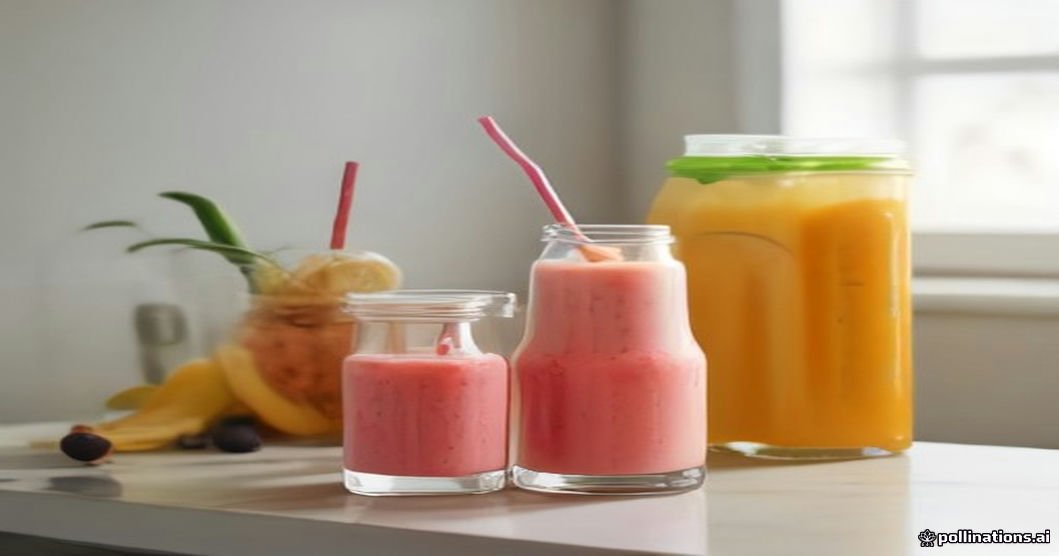
If you have ever blended a perfect smoothie and then struggled to take it with you — bulky bottles, leaky lids, hard-to-clean straws — smoothiepussit solve that problem in one simple package. In this guide, you will learn exactly what smoothiepussit are, how to choose the right pouches, how to fill and clean them without a mess, five tested recipes with exact measurements, and how to freeze and store them safely.
Quick Answer: What Are Smoothiepussit?
Smoothiepussit (from the Finnish “smoothie pussit,” meaning smoothie bags) are portable, squeeze-style pouches designed to hold smoothies, fruit purées, yogurt blends, and other thick drinks. You fill them through a wide opening, seal them with a cap or zipper, and drink or squeeze the contents straight from the spout — no spoon, bowl, or straw needed. They come in reusable (silicone or BPA-free plastic) and single-use versions, and they work for toddlers, school lunches, gym bags, and office desks alike.
The Word Behind the Pouch
The term “smoothiepussit” is a compound of two words: “smoothie” and the Finnish “pussit” (bags or pouches). In Finland and across Scandinavia, refillable food pouches have been a lunchbox staple for years — parents fill them with homemade berry purées instead of buying single-serve supermarket pouches. The concept has now gone global as families and fitness enthusiasts look for portable, low-waste ways to carry blended food.
A smoothiepussit is not a brand. It is a category: any flexible pouch with a spout or cap that holds a blended drink. Think of it as the love child of a baby-food pouch and a sports bottle — but refillable, washable, and entirely under your control.
Types of Smoothiepussit: Which One Should You Buy?
Not all smoothie pouches are built the same. The three main types differ in material, price, and lifespan:
| Type | Material | Reusable? | Best For | Typical Lifespan |
|---|---|---|---|---|
| Silicone pouches | Food-grade silicone | Yes (100+ fills) | Daily use, kids, hot/cold fills | 1–2 years |
| BPA-free plastic pouches | Tritan or LDPE plastic | Yes (30–50 fills) | Budget-friendly daily use | 6–12 months |
| Disposable pouches | Foil-lined plastic | No (single use) | Parties, travel, one-off events | One fill |
| Squeeze bottles with spouts | Rigid plastic/silicone | Yes | Thicker smoothies, gym use | 1–2 years |
For everyday use, reusable silicone smoothiepussit are the best value. They cost more up front but survive the dishwasher, the freezer, and hundreds of squeezes. Disposable pouches make sense only when you need grab-and-go portions for a crowd and cannot collect the empties afterward.
Why Smoothiepussit Are Worth It: 7 Practical Benefits
- Zero-spill portability. The capped spout means a pouch can roll around in a gym bag or school backpack without leaking — something no open cup or straw lid can promise.
- Portion control built in. Most pouches hold 100–200 ml, which is a sensible single serving of smoothie or purée. You stop over-pouring the moment you start filling.
- Less food waste. Blend exactly what you need, pouch the leftovers, and freeze them. No more half-full blenders going down the drain.
- Kid-friendly independence. Toddlers can feed themselves from a pouch with far less mess than a bowl and spoon, and older kids love picking “their” flavor from the freezer.
- Cheaper than store-bought. A homemade berry smoothie costs a fraction of a supermarket pouch, and you control the sugar.
- Lower packaging waste. One reusable pouch replaces dozens of single-serve cartons and plastic bottles over its lifetime.
- Freezer-to-bag convenience. Fill a batch on Sunday, freeze them flat, and grab one each morning — it thaws into a cold, ready smoothie by mid-morning.
How to Choose the Right Smoothiepussit: 6-Point Checklist
Before you buy, run through this checklist so you do not end up with pouches that leak, stain, or crack after a week:
- Food-grade certification. Look for “food-grade silicone” or “BPA-free, phthalate-free” on the label. If the listing does not say it, do not buy it.
- Wide filling opening. A zipper or wide screw-top at the bottom or side makes filling dramatically easier than a narrow spout-only design.
- Leak-proof cap. The spout cap should click or screw shut firmly. Read reviews specifically for leak reports — this is the number one failure point.
- Dishwasher and freezer safe. Check the temperature range. Good silicone pouches handle −40°C to 230°C, covering freezer storage and hot-water sterilizing.
- Right size for your use. 100 ml suits toddlers; 150–200 ml is the sweet spot for school snacks and adult portions; 250 ml+ works for meal-replacement shakes.
- Easy-clean design. Smooth interior walls with no hidden corners clean far better than pouches with gussets or textured seams. Transparent or light-colored pouches also let you see whether they are truly clean.
How to Fill Smoothiepussit Without Making a Mess: Step by Step
Filling a pouch through a small spout sounds fiddly, but with the right technique it takes under a minute:
- Blend your smoothie slightly thinner than usual. A touch of extra liquid (water, milk, or juice) helps it flow into the pouch. Thick, spoon-standing blends clog the opening.
- Stand the pouch upright. Use a cup, mug, or the pouch’s own stand-up base to hold it steady — never try to fill a floppy pouch one-handed.
- Use a funnel or a measuring jug with a spout. Pour the smoothie into the wide bottom opening (or top zipper), not through the drinking spout. Leave 1–2 cm of headspace so the seal closes cleanly.
- Wipe the seal area. Run a clean finger or cloth along the zipper or rim to remove any smoothie residue — residue is what causes most “leaks.”
- Seal, then cap the spout. Close the main opening first, then screw the drinking cap on tight.
- Label it. A strip of masking tape with the flavor and date takes five seconds and saves you from mystery-pouch roulette later.
How to Clean Smoothiepussit Properly
A pouch that is not cleaned well will stain and smell — here is the routine that keeps them fresh for hundreds of uses:
- Rinse immediately. The golden rule: rinse with warm water within an hour of emptying. Dried smoothie is ten times harder to remove.
- Soak with baking soda for stains. Fill the pouch with warm water and one teaspoon of baking soda, leave for 30 minutes, then rinse. This lifts berry and turmeric stains.
- Use a bottle brush. A narrow bottle brush reaches the corners a sponge cannot. Twist it inside the pouch with a drop of dish soap.
- Dishwasher when possible. Place pouches spout-down on the top rack. Most silicone and BPA-free pouches are top-rack dishwasher safe.
- Air-dry fully open. Stand pouches upside down with the opening wide so air circulates. Trapped moisture causes odors — never seal a damp pouch.
- Deodorize monthly. A soak in a 1:3 white vinegar and water solution for an hour removes any lingering smells.
5 Tested Smoothiepussit Recipes (With Exact Measurements)
Each recipe below makes about 400 ml — enough to fill two 200 ml pouches or four 100 ml toddler pouches. Blend until completely smooth, adding liquid a splash at a time.
1. Classic Berry Banana
- 1 ripe banana
- 150 g frozen mixed berries (strawberries, blueberries, raspberries)
- 120 ml Greek yogurt
- 100 ml milk or oat milk
- 1 teaspoon honey (optional)
A crowd-pleaser with natural sweetness from the banana — most kids ask for this one by name.
2. Green Power
- 1 banana
- 60 g fresh spinach (about 2 handfuls)
- 100 g frozen mango chunks
- 150 ml coconut water
- 1 tablespoon chia seeds
- Juice of half a lime
The mango and lime completely mask the spinach. This is the easiest way to get greens into a reluctant eater.
3. Tropical Sunrise
- 150 g frozen pineapple chunks
- 100 g frozen mango
- 1 banana
- 150 ml orange juice
- 50 ml coconut milk
Tastes like a holiday in a pouch. The coconut milk gives it a creamy, almost dessert-like texture.
4. Chocolate Peanut Butter
- 1 banana
- 2 tablespoons peanut butter
- 1 tablespoon cocoa powder
- 150 ml milk
- 1 teaspoon maple syrup
- 4–5 ice cubes
A post-workout favorite with real staying power — the protein and fat keep you full for hours.
5. Overnight Oats Smoothie
- 40 g rolled oats
- 1 banana
- 100 g frozen strawberries
- 150 ml milk
- 1 tablespoon almond butter
- Half a teaspoon of cinnamon
Blend the oats first into a fine powder before adding the rest — this keeps the texture silky instead of gritty.
Freezing and Storing Smoothiepussit: What Actually Works
Freezing is where smoothiepussit truly shine — but a few rules keep the texture right:
| Question | Answer |
|---|---|
| How long do they keep in the freezer? | Up to 3 months at −18°C or below. |
| How long in the fridge? | 24–48 hours for dairy-based smoothies; up to 72 hours for fruit-only blends. |
| How to thaw? | Move to the fridge overnight, or place the sealed pouch in room-temperature water for 20–30 minutes. |
| Can you microwave them? | Only if the pouch is labeled microwave-safe — most are not. Thaw in water instead. |
| Should you freeze them flat? | Yes. Lay pouches flat until frozen, then stack them upright like files to save space. |
| Do smoothies separate after thawing? | Sometimes. Shake or knead the pouch for 10 seconds and the texture comes right back. |
Pro tip: Freeze pouches only three-quarters full. Liquids expand as they freeze, and an overfilled pouch can split its seal.
Safety Tips You Should Not Skip
- Check for BPA and phthalates. Only buy pouches explicitly labeled BPA-free and food-grade. Cheap unbranded pouches sometimes skip this.
- Inspect seals regularly. Replace any pouch with a cracked cap, warped zipper, or torn spout — a failing seal is a leak waiting to happen.
- Do not share spouts between sick kids. The spout touches mouths directly, so label each child’s pouches during cold season.
- Watch the sugar content. Homemade does not automatically mean healthy — juice-heavy recipes can pack as much sugar as soda. Favor whole fruit over juice.
- Supervise toddlers. The cap is a small part; make sure it screws on too tightly for little fingers to remove, and never let a child chew through the pouch.
Frequently Asked Questions About Smoothiepussit
What does “smoothiepussit” mean?
It is a compound of “smoothie” and the Finnish word “pussit” (bags/pouches). It refers to portable, refillable pouches designed for smoothies and purées.
Are smoothiepussit the same as baby food pouches?
They work the same way, but smoothiepussit are usually larger (150–200 ml vs. 90–120 ml) and made from sturdier reusable materials meant for the whole family, not just infants.
Can I put hot liquids in smoothiepussit?
Only silicone pouches rated for high temperatures. Standard plastic pouches can warp or leach chemicals with hot fills — stick to cold or room-temperature blends unless the label says otherwise.
How many times can I reuse a silicone smoothiepussit?
A good food-grade silicone pouch lasts 100 or more fills with proper cleaning — typically one to two years of daily use.
Do smoothiepussit leak in lunchboxes?
Not if the seal area is wiped clean before closing and the cap is screwed on firmly. Leak complaints almost always trace back to residue on the seal.
Can I freeze smoothies in smoothiepussit?
Yes — this is one of their best uses. Fill three-quarters full, freeze flat for up to 3 months, and thaw in the fridge overnight or in room-temperature water.
Are smoothiepussit dishwasher safe?
Most reusable silicone and BPA-free plastic pouches are top-rack dishwasher safe. Check the product label; disposable pouches are not.
What is the best smoothie consistency for pouches?
Slightly thinner than a spoonable smoothie — it should pour steadily but still coat the back of a spoon. Add liquid a splash at a time while blending.
Related How-To Guides
Final Thoughts
Smoothiepussit earn their place in the kitchen the same way any good tool does: by removing a daily friction. Blend once, pouch the portions, and your future self — rushing out the door, packing a lunchbox, or reaching for a post-gym snack — gets a healthy option with zero extra effort. Start with one set of reusable silicone pouches, try the berry banana recipe above, and you will wonder why you ever carried smoothies in a bottle.

[…] reading: Smoothiepussit, Nimedes, and […]
[…] reading: smoothiepussit, nimedes, […]
[…] reading on this blog: our guides linked above cover smoothiepussit, nimedes, and […]