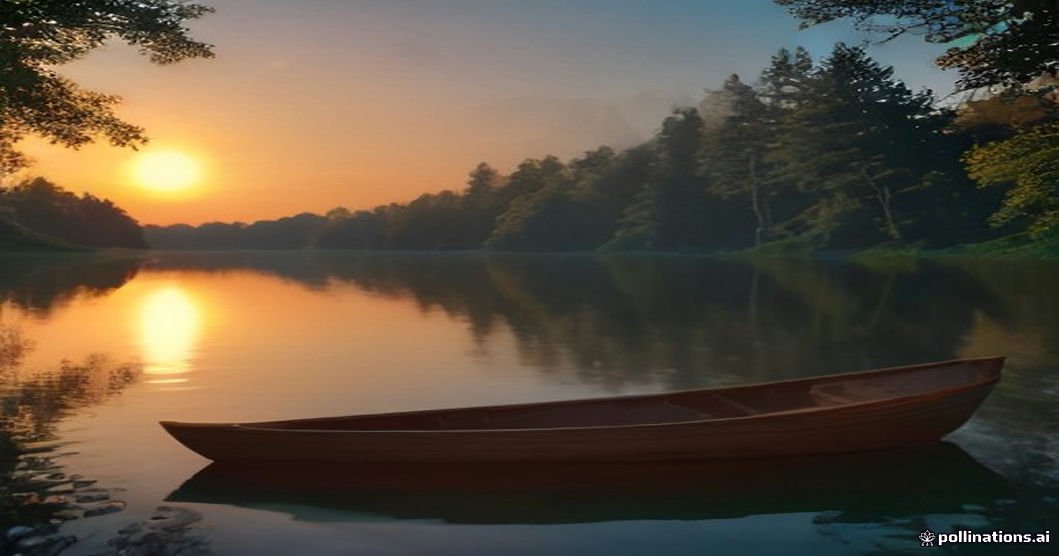
If you have ever wondered what veneajelu means, here is the short answer: it is the Finnish word for a leisurely boat ride taken purely for pleasure. Not a race, not a commute, not a fishing contest — just you, a boat, and the quiet water of one of Finland’s roughly 188,000 lakes or its island-dotted Baltic coastline. This guide explains where the word comes from, how veneajelu differs from ordinary boating, the best places to try it, what it typically costs, the rules you need to know, and a step-by-step plan for your very first trip.
Quick Answer: What Veneajelu Means
Veneajelu (pronounced veh-neh-ah-yeh-loo) is a compound of two Finnish words:
- Vene — boat
- Ajelu — a ride or a casual drive
Put together, it means “going for a boat ride” — but with a specifically unhurried, recreational flavor. Finns use the word the way English speakers might say “going for a spin,” except the vehicle is a boat and the pace is deliberately slow. A veneajelu has no finish line. The ride itself is the point.
That mindset matters because Finland is built for it. Around a tenth of the country’s surface is water, boats outnumber cars in many lakeside municipalities, and more than half of Finnish families have access to a summer cottage (mökki) — almost always by a lake, almost always with a boat tied to the dock. Veneajelu is simply what people do there on a summer evening.
How Veneajelu Differs From Ordinary Boating
Plenty of places have boating. Veneajelu is a specific style of it, and the differences are easy to spot once you know what to look for:
| Veneajelu | Ordinary recreational boating |
|---|---|
| Slow pace — puttering, drifting, stopping often | Getting somewhere as fast as conditions allow |
| The journey is the destination | The destination (marina, fishing spot) is the goal |
| Small, simple boats are the classic choice | Bigger and faster is often seen as better |
| Coffee thermos and a picnic are near-mandatory | Food is optional, often an afterthought |
| Quiet is valued — low noise, low wake | Noise and speed are part of the fun |
| Tied to cottage culture and summer evenings | Tied to sport, transport, or fishing |
Neither style is “better” — but if you plan a trip expecting water-ski energy and get veneajelu calm instead, you will be confused. Go in expecting calm, and it makes complete sense.
The 7 Best Places for a Veneajelu in Finland
You can do a veneajelu on almost any Finnish waterway, but these seven areas are the ones locals and travel writers return to again and again:
| Destination | Water type | Best for | Nearest city |
|---|---|---|---|
| Helsinki Archipelago & Suomenlinna | Baltic Sea islands | First-timers, short guided cruises | Helsinki |
| Lake Saimaa | Finland’s largest lake | Long slow days, seals, cottage shores | Savonlinna, Lappeenranta |
| Archipelago Sea & Åland | Baltic Sea, tens of thousands of islands | Island hopping, guest harbours | Turku, Mariehamn |
| Kolovesi National Park | Quiet lake channels | Silence — motorboats banned in much of the park | Savonlinna |
| Lake Päijänne | Finland’s second-largest lake | Multi-day routes, national park islands | Lahti, Jyväskylä |
| Tampere Lakes (Näsijärvi & Pyhäjärvi) | Twin city lakes | Easy rentals between two big lakes | Tampere |
| Lake Inari | Arctic lake in Lapland | Midnight sun, total remoteness | Ivalo |
A few notes on the standouts:
- Suomenlinna, the 18th-century sea fortress off Helsinki, is a UNESCO World Heritage site and the easiest veneajelu backdrop for a first trip — the ferry and harbour cruises pass it constantly.
- Lake Saimaa is home to the Saimaa ringed seal, one of the world’s rarest freshwater seals. Seeing one is luck, not a promise — but the labyrinth of islands makes even a two-hour putter feel like an expedition.
- Kolovesi is veneajelu in its purest form: combustion engines are prohibited on much of its water, so you glide past prehistoric rock paintings in near-total silence.
Boat Types Used for Veneajelu (And Typical Costs)
Almost any small craft works. The classics, with typical rental ranges in Finland (prices vary by region and season — treat these as planning estimates, not quotes):
| Boat type | Licence needed? | Typical rental cost | Best for |
|---|---|---|---|
| Rowboat | No | Often free at cottages; ~€10–30/day rented | Short, silent lake trips |
| Small motorboat (open) | No* | ~€80–150/day | The all-round veneajelu classic |
| Kayak or canoe | No | ~€25–45/day | Narrow channels, Kolovesi-style quiet water |
| Cabin cruiser | No* (rental firms set their own rules) | ~€250–600/day | Island hopping with weather cover |
| Sailboat | No* (experience expected) | ~€200–500/day | Archipelago Sea and big lakes |
| Sauna boat | Skipper usually included | ~€150–300 for a few hours | Groups — sauna, swim, cruise in one |
| Guided sightseeing cruise | No (crew drives) | ~€25–60 per person | First-timers with zero planning |
Finland famously requires no boating licence for leisure boats under 24 metres. Two things still apply: the driver of a registered motorboat must be at least 15 years old, and every rental company can — and usually does — set its own experience requirements and give you a safety briefing before handing over the keys.
How to Plan Your First Veneajelu: Step by Step
Here is the exact order that works for a first trip, whether you rent, borrow a cottage boat, or book a cruise:
- Pick your water first, boat second. A sheltered lake is forgiving for beginners; the open Baltic is not. Start with a lake or a protected archipelago route.
- Choose the style. Guided cruise (zero effort), self-drive motorboat (classic), or paddle craft (quietest). Match it to the least experienced person in the group.
- Book or reserve early in July. Peak season (late June to early August) sells out small-boat rentals in popular areas; May, June and September are calmer.
- Check the weather the evening before AND the morning of. Use the Finnish Meteorological Institute (ilmatieteenlaitos.fi). Wind matters more than rain — strong wind makes small-boat trips miserable and can make them unsafe.
- Agree the route and a return time. Tell someone on shore where you are going. Keep the first route short — 1.5 to 3 hours on the water is plenty.
- Pack using the checklist below. Coffee, layers, and a charged phone are the three things first-timers most often forget.
- Do the 2-minute safety pass before leaving the dock. Lifejackets on board for everyone, fuel or battery checked, phone in a waterproof pouch, and know how to stop the engine.
- Go slow, stop often. Swim stop, island coffee stop, photo stop — that rhythm is the veneajelu. If you are watching the clock, you are doing a different activity.
When to Go: Season Guide
| Season | Months | What it is like | Daylight |
|---|---|---|---|
| Early summer | May – mid-June | Cool water, fresh green shores, few people | Very long days, bright evenings |
| Midsummer peak | Mid-June – July | Warmest water (lakes often 18–22 °C), busiest marinas | Midnight sun in Lapland; barely dark in the south |
| Late summer | August | Warm water, calmer crowds, mushroom-season shores | Long but shortening evenings |
| Autumn | September | Ruska foliage, quiet lakes, chilly wind | Normal days — bring real layers |
| Winter | Oct – April | Lakes frozen; veneajelu season is over for small boats | Short — this is ice-fishing season instead |
Rules, Licensing and Everyman’s Right
Finland is famously relaxed about boating, but “relaxed” is not “rule-free”:
- No licence is needed for leisure boats under 24 metres — one reason veneajelu is so accessible.
- Age limit: you must be at least 15 to operate a registered motorboat.
- Lifejackets: a suitable flotation device must be available for everyone on board; children and non-swimmers should wear theirs the whole trip.
- Everyman’s right (jokaisenoikeus) lets you land, swim, and moor temporarily on most shores — but not in someone’s yard, not on military or protected areas with posted restrictions, and never in a way that disturbs residents or wildlife.
- Fires need the landowner’s permission (the exception is a genuine emergency). Many public rest stops (laavu) have official fireplaces — use those.
- Leave no trace. Take every wrapper, bottle and cigarette end back with you. Finns notice, even when they say nothing.
- Alcohol: the skipper is held to strict limits, and boating drunk is both illegal and, on cold water, genuinely dangerous.
What to Pack: The Veneajelu Checklist
- Thermos of coffee (or tea) — the unofficial fuel of every veneajelu
- Pulla (Finnish cinnamon bun) or simple picnic food
- Windproof jacket and one warm layer, even in July
- Sunscreen and sunglasses — water glare doubles the burn
- Insect repellent for evening trips near wooded shores
- Phone in a waterproof pouch (navigation apps work well on the big lakes)
- Drinking water — lake water looks clean; still bring your own
- A small towel if a swim stop is even a remote possibility
- Lifejackets for everyone (usually provided with rentals — confirm when booking)
Safety Rules That Actually Matter
Most veneajelu trips end with nothing more dramatic than an empty thermos. The few that go wrong usually break one of these:
- Wear the lifejacket, don’t just carry it. Finnish water is cold even in summer; cold shock, not distance, is what defeats swimmers.
- Respect wind, not rain. A shower is an inconvenience. A strong onshore wind on a big lake builds waves that swamp small open boats.
- Tell someone your plan. Route, rough return time, and a check-in message when you are back at the dock.
- Keep the phone charged and dry. It is your map, weather radar and emergency line in one.
- Watch the fuel or battery gauge. Outboard tanks and electric motors both run out faster against wind and current than on the calm trip out.
- Slow down near swimmers, docks and narrow channels. Low wake is the core etiquette of the whole tradition.
Related How-To Guides
Frequently Asked Questions
What does veneajelu mean in English?
It translates most directly as “boat ride” or “going boating” — from vene (boat) and ajelu (ride). In practice it means a slow, leisurely boat trip taken for pleasure rather than transport, sport or fishing.
Do I need a licence for a veneajelu in Finland?
No. Finland does not require a licence for leisure boats under 24 metres. You must be at least 15 to operate a registered motorboat, and rental companies apply their own experience rules and safety briefings.
When is the best time of year for a veneajelu?
Mid-June to August gives the warmest water and the famous long evenings — around midsummer it barely gets dark in southern Finland and the sun does not set at all in Lapland. May, early June and September are quieter and cheaper, with cooler water.
How much does a veneajelu cost?
It can be free (a cottage rowboat) or a few hundred euros. Typical planning figures: a small motorboat rents for roughly €80–150 per day, kayaks €25–45 per day, guided cruises €25–60 per person, and a sauna boat €150–300 for a few hours. Prices vary by region and season.
Can beginners and children do a veneajelu?
Yes — it is one of Finland’s most family-friendly activities. Pick a sheltered lake, a calm day, and a short route; put lifejackets on the children for the whole trip; and bring snacks. A guided cruise is the zero-experience option.
What is the difference between veneajelu and a normal boat trip?
Intent and pace. A normal boat trip usually has a destination or a task. A veneajelu treats the ride itself as the activity: slow speed, frequent stops, coffee on board, and no schedule worth the name.
Final Word
Veneajelu is less an activity than a setting: slow water, simple boat, good coffee, nowhere to be. Finland’s lakes and archipelagos make it easy to try — no licence, rentals in every lakeside town, and a culture that has refined the art over generations of cottage summers. Pick a calm day, a sheltered lake and a short route, and you will understand within the first ten minutes why Finns guard their summer evenings on the water so fiercely.

[…] See also Veneajelu: The Complete Guide to Finland's Slow Boat Ride […]
[…] Understanding veneajelu: meaning and context […]
[…] Veneajelu: How-To Guide […]
[…] Veneajelu: Complete How-To Guide […]