If you have typed cbiri into a search box and landed here, you are probably confused. Some results talk about a biomedical research center in Nebraska. Others mention a Turkish game — and a few describe a traditional Anatolian pastry. So what does cbiri actually mean? The short answer is that cbiri is a word with several completely different meanings, and which one you are looking for depends entirely on context. This guide lays out every major interpretation of cbiri, gives you a clear pronunciation guide, a step-by-step rundown of the traditional game, a simple starter recipe for the food, and answers to the most common questions — all in one place.
What Does Cbiri Mean? The Three Main Interpretations
Before going deeper, here is the honest overview: nobody owns a single, definitive definition of cbiri. The word shows up in at least three distinct contexts, and each one is legitimate in its own corner of the internet. Understanding this saves you from the confusion most searchers run into — much like our guide to uncuymaza, another word with several competing meanings that only makes sense once you sort them by context.
| Interpretation | What It Is | Where It Comes From | Who Searches for It |
|---|---|---|---|
| Çbiri (the game) | A traditional Turkish children’s outdoor game | Turkish folk culture and village play traditions | People curious about traditional games and cultural heritage |
| Çbiri (the food) | A traditional savory Anatolian pastry | Home kitchens in parts of Anatolia | Home cooks exploring regional Turkish recipes |
| CBIRI (the acronym) | A biomedical research institute at a US university | University of Nebraska research programs | Students, researchers, and science readers |
Each of these deserves its own explanation, so let’s take them one at a time.
Çbiri the Traditional Game: What Is It?
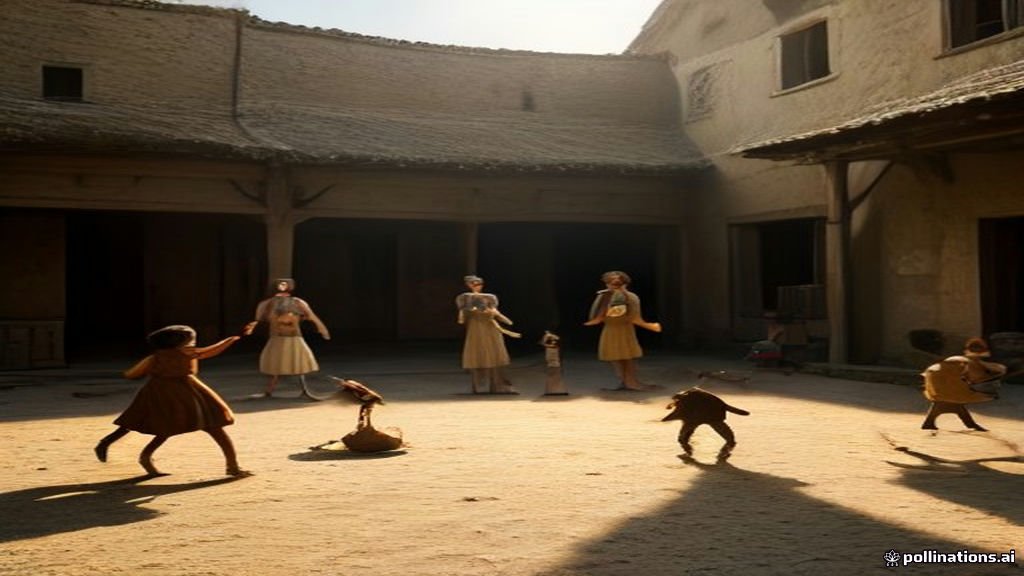
The best-known meaning of cbiri is the traditional Turkish game. Turkish folk culture is rich with outdoor group games — many of them involving chasing, hiding, counting, and team play — and çbiri is described in Turkish sources as one of these classic children’s games, traditionally played outdoors in courtyards, village squares, and schoolyards.
How the Game Is Traditionally Played
Descriptions of folk games vary from region to region, and çbiri is no exception. The version most often described follows this pattern:
- Form two teams. Players split into two roughly equal groups and agree on a playing field with clear boundaries.
- Pick a “seeker” or starting side. One team takes the first turn; this is usually decided with a quick count or a coin toss.
- Set the target. Depending on the local variant, the goal may involve tagging opponents, reaching a safe point, or capturing an object.
- Play in rounds. Teams alternate turns, and each round typically lasts a few minutes.
- First to the agreed score wins. Teams agree beforehand on a winning score or number of rounds.
Because folk games were passed down by word of mouth rather than written rulebooks, you will find small differences in the rules wherever the game is described. That is normal for traditional games — and part of what makes them interesting. If you are planning to play çbiri with kids, the practical move is to agree on your own house rules before starting, exactly as generations of players did.
Why Traditional Games Like Çbiri Still Matter
- Zero equipment needed. No screens, no purchases — just open space and players.
- Physical activity built in. Running, dodging, and quick thinking are part of every round.
- Social skills. Taking turns, handling disputes, and playing fair are learned on the field.
- Cultural connection. Playing a game your grandparents’ generation played is a living link to heritage.
If you enjoy hands-on traditions and step-by-step projects, you may also like our pyntekvister twig-display tutorial — another guide built around doing something with your hands.
Çbiri the Traditional Food: An Anatolian Pastry
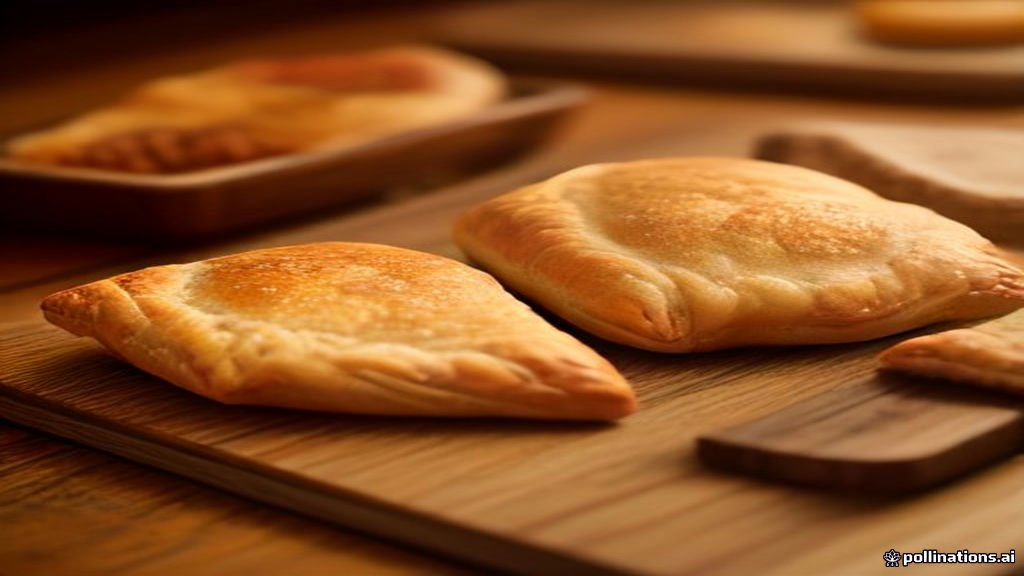
The second meaning of cbiri is culinary. In parts of Anatolia, çbiri is described as a traditional savory pastry — the kind of regional home cooking that rarely makes it into glossy cookbooks but is remembered fondly by the families who grew up eating it. Like many regional recipes, there is no single “official” version; families adjust the filling, the fat, and the baking method to what they have.
What It Typically Involves
Regional descriptions of the dish generally point to a few shared traits:
- A simple dough made from flour, water or milk, salt, and a little fat.
- A savory filling or topping — commonly cheese, herbs, or minced meat depending on the household.
- Pan-cooked or oven-baked — some versions are griddled like a flatbread, others baked until golden.
- Served warm, often at breakfast or as an afternoon snack with tea.
A Simple Starter Recipe to Try at Home
This is a basic home-style approximation — a starting point, not a claim to authenticity. It makes about 6 pieces.
You will need:
- 2 cups all-purpose flour
- 1 teaspoon salt
- 3/4 cup warm water (plus a splash more if needed)
- 2 tablespoons olive oil or melted butter
- 1 cup crumbled white cheese (feta-style)
- A handful of chopped fresh herbs (parsley, dill, or mint)
Steps:
- Make the dough. Mix flour and salt in a bowl, add the warm water and oil, and knead for 8–10 minutes until smooth and elastic. Cover and rest for 30 minutes.
- Divide and roll. Divide the dough into 6 balls. Roll each one into a thin round, about the size of a small plate.
- Add the filling. Spread cheese and herbs over half of each round, leaving a border around the edge.
- Fold and seal. Fold the dough over the filling into a half-moon and press the edges firmly with a fork.
- Cook. Heat a dry skillet over medium heat and cook each piece 2–3 minutes per side, until golden spots appear.
- Serve warm. Brush lightly with butter if you like, and serve immediately with tea.
Tips for better results:
- Let the dough rest — skipping the rest makes it harder to roll thin.
- Do not overfill; a modest filling cooks more evenly and seals better.
- Adjust the heat so the pastry browns without burning — medium heat, patience, and one flip are usually enough.
CBIRI the Research Center: The Acronym
The third meaning is the all-caps CBIRI — a biomedical research institute associated with the University of Nebraska. If you searched “cbiri” while doing academic or scientific research, this is almost certainly what you were looking for. It is a research center focused on biomedical and behavioral research, and its name appears in university directories, grant listings, and published studies.
Key point: the acronym has nothing to do with the Turkish game or the pastry. They are three independent uses of the same letter sequence — a coincidence of spelling, not a shared origin.
Why One Word Means Three Different Things
It feels strange, but it happens more often than you would think with short, unusual letter combinations:
- Language families collide. A folk word in Turkish and an English acronym can end up spelled identically.
- Search engines flatten context. Google shows all of them together, which makes one word look like one concept.
- Thin sources amplify confusion. When each meaning only has a few pages explaining it, none of them fully answers the searcher’s question — which is exactly the gap this guide is designed to fill.
Our rule of thumb, borrowed from the uncuymaza guide: always check the context first. A science journal means the institute. A Turkish recipe blog means the pastry. A folk-culture page means the game.
How to Pronounce Cbiri
The Turkish spelling is çbiri, and the Turkish letter “ç” is pronounced like the English “ch” in “church.” So the standard pronunciation is roughly chuh-BEE-ree, with the stress on the middle syllable. The acronym CBIRI, on the other hand, is typically spoken letter by letter: “C-B-I-R-I.”
Quick Reference: Which Cbiri Do You Mean?
| You saw it in… | It probably means… | Start with… |
|---|---|---|
| A science paper or university site | The Nebraska research institute | The acronym section above |
| A Turkish recipe or food blog | The Anatolian pastry | The starter recipe section |
| A folk culture or games article | The traditional game | The how-to-play section |
| An unexplained comment or post | Ambiguous — ask for context | The pronunciation and FAQ below |
Frequently Asked Questions
What does cbiri mean in English?
Cbiri has three main meanings: a traditional Turkish children’s game, a traditional Anatolian savory pastry, and (as CBIRI) a biomedical research institute at the University of Nebraska. Context tells you which one is meant.
Is cbiri a real word?
Yes. “Çbiri” appears in Turkish folk culture as both a game and a food name, and “CBIRI” is a real institutional acronym. It is not a made-up internet word.
How do you play the cbiri game?
Players split into teams and play short rounds of chasing, tagging, or target-based play outdoors. Rules vary by region, so agree on house rules before starting.
What is cbiri food made of?
Regional descriptions point to a simple flour-based dough with a savory filling such as cheese and herbs, pan-cooked or baked and served warm. Our starter recipe above gives you a home-style version to try.
Is cbiri the same as the Nebraska CBIRI center?
No. The research center’s name is a coincidence of spelling — it is unrelated to the Turkish game and food.
How do you pronounce cbiri?
Roughly “chuh-BEE-ree” (the Turkish ç sounds like “ch”). The acronym CBIRI is spoken letter by letter.
Where can I learn more about traditional Turkish games?
Start with the game section of this guide, then explore folk-culture blogs and video demonstrations for regional variants. If you like traditional hands-on crafts generally, our asbestlint guide is another example of how we break confusing terms down clearly — though on a very different topic.
Conclusion
Cbiri is a small word with a surprisingly big story: a children’s game, a home-style pastry, and a biomedical research institute all share the same spelling. The game and the pastry connect you to living Turkish folk tradition — one to the playground, one to the kitchen — while the acronym belongs to the world of science. Whichever cbiri brought you here, you now know exactly what it means, how to say it, how to play it, and how to cook it. That is more than most of the internet will tell you — and it is why this guide exists.
