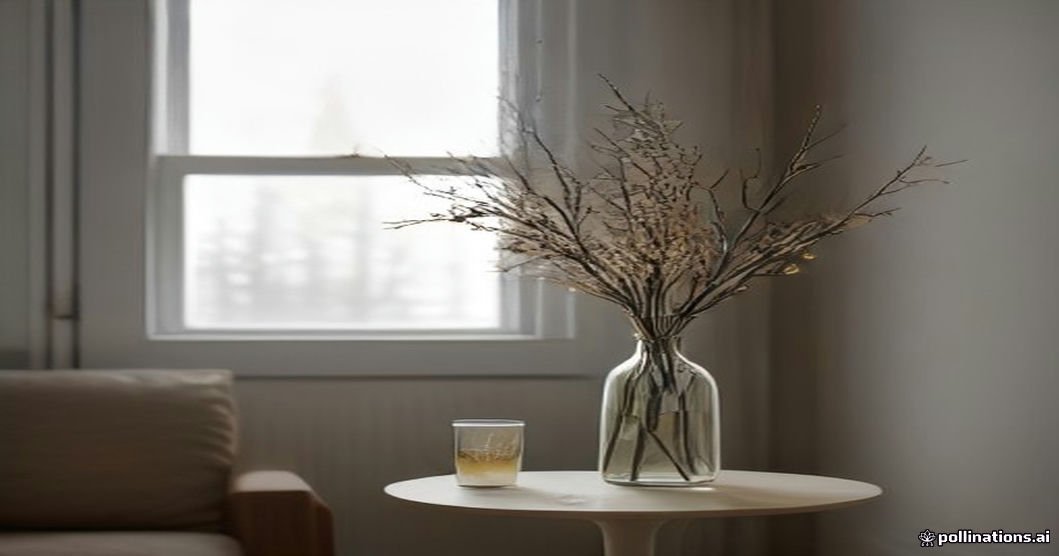
Pyntekvister are decorative arrangements made from bare branches or twigs, traditionally placed in a vase or jar and styled to suit the season. The practice is especially popular in Scandinavian countries, where long, dark winters make people eager to bring any hint of nature indoors. If you love bringing natural, organic texture indoors without spending a fortune on fresh flowers every week, learning how to make your own pyntekvister display is a skill worth having.
What Are Pyntekvister?
Pyntekvister are decorative arrangements made from bare branches or twigs, traditionally placed in a vase or jar and styled to suit the season. A few well-placed branches can look stunning on a sideboard, dining table, or entryway console. They work in every interior style, from rustic farmhouse to ultra-modern minimalism. Unlike cut flowers, a good pyntekvister display can last an entire season — or even longer — with almost no maintenance. dow magazine, programgeeks
Types of Pyntekvister: Which Should You Choose?
Before you start building your display, it helps to know your options. Pyntekvister generally fall into three categories: natural, artificial, and painted.
| Type | Pros | Cons | Best Use |
|---|---|---|---|
| Natural twigs | Completely free if gathered locally; authentic organic look; biodegradable | Can drop small leaves or bark bits; may attract tiny insects if not cleaned; dry out over time | Rustic, Scandinavian, and autumn displays where authenticity matters |
| Artificial branches | Last for years; no shedding; consistent shape; easy to re-style | Higher upfront cost; can look plastic up close; less authentic texture | Busy households, rental homes, or displays you want to reuse every year |
| Painted branches | Striking modern look (white, gold, black); hides imperfections; great for holidays | Requires spray paint and drying time; natural texture slightly covered | Christmas, Easter, and contemporary styling where branches become a color statement |
If you’re a beginner, start with natural twigs — they’re free, forgiving, and easy to replace.
Materials You’ll Need
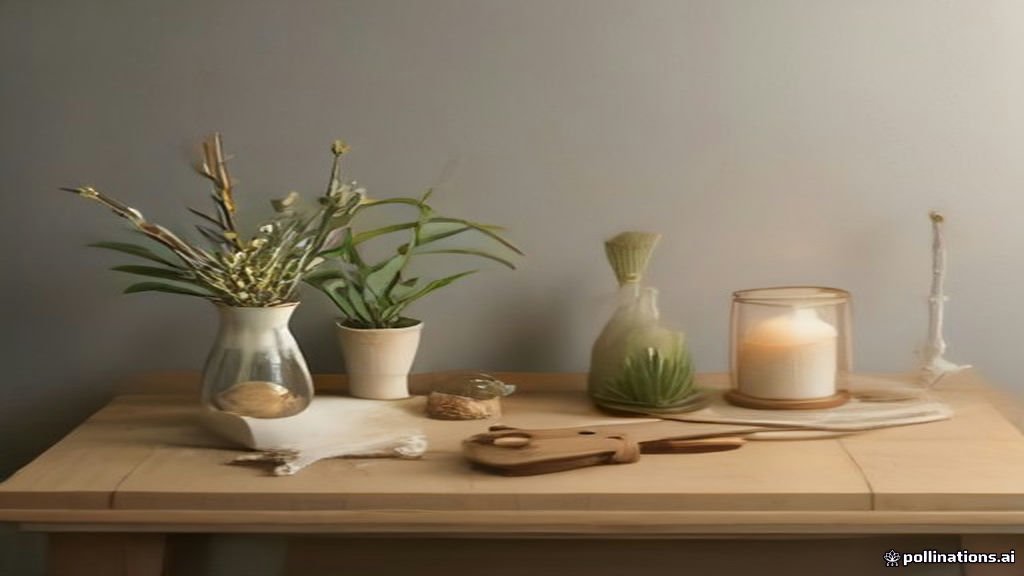
- A vase or jar with some weight to it (ceramic, glass, or even a sturdy bottle) — tall vessels work best
- 8–15 bare branches, roughly 60–100 cm long (birch, willow, hazel, cherry, or any flexible hardwood twigs)
- Pruning shears or sturdy scissors for trimming
- A clean cloth and mild soap for washing branches
- Optional: spray paint in your chosen color (white, gold, matte black, or metallic copper)
- Optional decorations: fairy lights, hanging ornaments, ribbon, dried flowers, pinecones
- A piece of jute twine or raffia for binding, if you want a bouquet-style arrangement
Tip: Gather branches after a storm or during seasonal pruning. Avoid protected areas and never cut branches from public trees without permission.
How to Make Your Own Pyntekvister Display in 7 Steps
- Choose and gather your branches. Look for twigs with interesting shapes — gentle curves, forks, and side shoots add character. Mix thicknesses: a few thicker main branches plus several thinner ones create depth.
- Clean and prepare the twigs. Brush off loose bark and dirt, then wipe each branch with a cloth dampened with mild soapy water. Let them air-dry completely.
- Trim to size. Cut the bottom of each branch at a slight angle. Vary the lengths so the arrangement has a natural, layered silhouette — tallest branches about 1.5 times the height of your vase.
- (Optional) Paint the branches. Lay branches on newspaper outdoors and apply two thin, even coats of spray paint. Let them dry fully (2–4 hours) before handling.
- Arrange the branches in the vase. Start with the tallest, most structural branches, leaning them at slightly different angles. Fill in with medium and shorter branches, rotating the vase as you go.
- Add seasonal decorations. For winter, hang small baubles or snowflake ornaments and weave in warm fairy lights. For spring, attach paper blossoms or hang painted eggs. For autumn, tuck in dried leaves, mini pumpkins, or wheat stalks.
- Style and place your display. Position the finished arrangement on a console table, mantelpiece, dining table centerpiece, or entryway. If you’re mixing pyntekvister with other natural home accents, keep the palette limited to two or three tones.
Seasonal Styling Ideas for Pyntekvister
One of the biggest advantages of pyntekvister is how easily they transform with the seasons.
| Season | Styling Idea | What to Add |
|---|---|---|
| Christmas | Classic winter wonderland | White or gold spray-painted branches, red baubles, pinecones, warm fairy lights |
| Easter | Fresh spring celebration | Natural birch branches, pastel painted eggs, paper blossoms, light ribbon bows |
| Spring | Blossom and bloom | Cherry or willow branches with buds, small faux flowers, mint-green accents |
| Autumn | Warm harvest mood | Natural twigs, dried maple leaves, mini pumpkins, wheat stalks, amber lights |
| Everyday | Minimalist Scandinavian | Bare branches, no ornaments — just the vase and the wood; add a single string of fairy lights for evenings |
Many decorators keep two sets of branches — one natural set for everyday and spring, and one painted set for the winter holidays. Pairing your seasonal pyntekvister with a coordinating seasonal decoration guide can help you plan a cohesive look.
Care and Maintenance Tips
- Dust them monthly with a soft microfiber cloth or a hairdryer on a cool, low setting.
- Keep them dry — avoid placing displays near humidifiers or steamy bathrooms.
- Re-tighten decorations: check hanging items every few weeks and re-tie anything that’s sliding.
- Refresh painted branches yearly with a quick touch-up coat of spray paint.
- Rotate the vase occasionally if it sits in direct sunlight.
- Store artificial sets carefully: wrap in tissue paper and store flat or upright.
Common Mistakes to Avoid
- Using a vase that’s too light — tall branches act like sails; choose something heavy.
- Making all branches the same length — vary lengths by 10–20 cm for a natural cascade.
- Over-decorating — if you can’t see the branches anymore, you’ve added too much.
- Skipping the cleaning step — unwashed branches can bring tiny insects or dust indoors.
- Placing them near heat sources — radiators dry out natural twigs quickly.
If you’re building a broader collection of dried botanical arrangements, the same principles apply.
Frequently Asked Questions
What does pyntekvister mean? Pyntekvister refers to decorative twig arrangements traditionally used in Scandinavian homes — bare branches placed in a vase and styled with seasonal decorations.
Where can I get branches for pyntekvister? Gather them for free after storms or during pruning season, buy bundles from florists and craft stores, or order artificial branches online. Birch, willow, hazel, and cherry are popular choices.
How long do pyntekvister last? Natural twig displays typically last 3–6 months indoors. Painted branches can last several years, and artificial branches can be reused indefinitely.
Can I make pyntekvister with kids? Absolutely — let kids help gather branches and hang lightweight, unbreakable ornaments. Save pruning shears and spray painting for adults.
Do pyntekvister need water? No. Adding water can cause natural branches to rot or grow mold — keep displays completely dry.
Are pyntekvister only for Christmas? Not at all — styled with eggs at Easter, blossoms in spring, dried leaves in autumn, or left beautifully bare for a minimalist everyday look.
Conclusion
Pyntekvister prove that the most beautiful decorations are often the simplest ones. With a bundle of free branches, a good vase, and less than an hour of your time, you can create a display that rivals expensive store-bought decor — and re-style it for every season of the year.

[…] building something of your own will feel familiar if you have followed hands-on tutorials like our pyntekvister twig-display guide — different domain, same principle: start with what you control, build it well, and make it […]