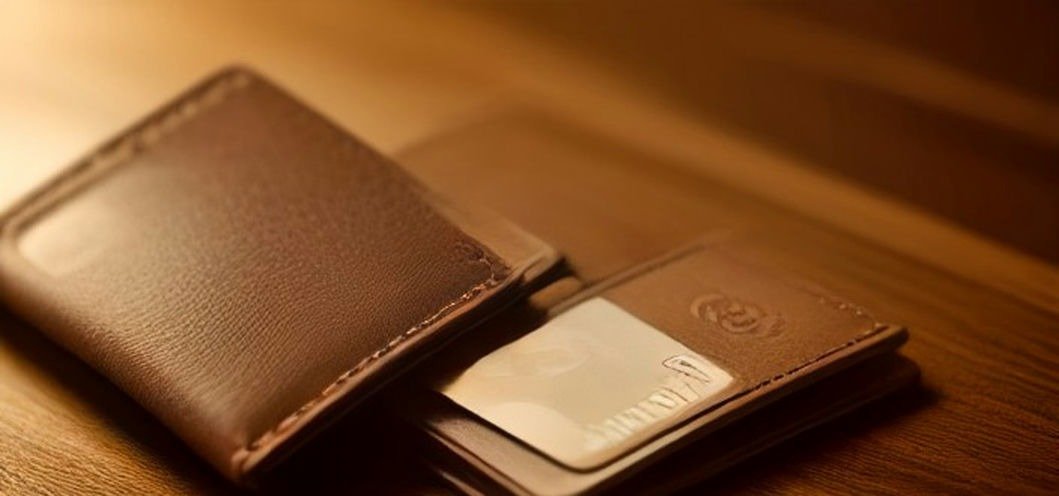
Quick answer: a unity leather card wallet is a slim, compact wallet made from leather and designed around carrying essential cards in an organised way. It usually holds a small number of payment cards, an ID and sometimes a few folded notes, in a profile far slimmer than a traditional bifold wallet. The name Unity is used by sellers of leather accessories, including the brand UnityPureMax, so the exact materials, card capacity and dimensions depend on the specific model. This guide explains what to look for, how leather types differ, and how to choose one that lasts.
Card wallets have become popular for a simple reason: most people now pay by card or phone and carry far less cash than they used to. A traditional wallet built for notes, coins, photos and a dozen cards is often half empty. A leather card wallet matches the way people actually pay today, and it fits a front pocket without a bulge. The question is not whether the idea works, but whether a particular Unity model is well made, fairly priced and right for your cards.
What Is a Unity Leather Card Wallet?
A Unity leather card wallet is a compact wallet concept built around card storage. Instead of the wide compartments of a traditional wallet, it offers dedicated card slots in a slim leather body, sometimes with a small pocket for folded notes and a coin section on larger models. The emphasis is on carrying the essentials and nothing else.
The word Unity in this context is a brand or seller name rather than a type of leather. Several online stores sell leather wallets under Unity-related names, and the best-known is UnityPureMax, which lists men’s and women’s leather wallets including long wallets, clutch wallets and coin purses. Because different sellers use the name, there is no single official Unity card wallet with one fixed specification. A buyer should always check the exact product page for the model they are considering, including its materials, dimensions, card capacity and construction, before purchasing.
That said, the concept is consistent across models. A Unity leather card wallet is meant to be slim, pocket-friendly and organised. It is a minimalist everyday carry item, not a document holder. If you need to carry a passport, many notes, coins and a dozen loyalty cards, a larger wallet or a different design will serve you better.
Key Features of a Unity Leather Card Wallet
When comparing models, the features below are the ones that decide whether a card wallet is genuinely useful or merely looks good in a product photo.
- Slim profile that sits flat in a front or back pocket without creating a visible bulge, which is the main reason people switch from a traditional wallet.
- Dedicated card slots that hold each card separately, so cards do not stick together and the one you need can be found without emptying the wallet.
- Genuine leather construction, with the leather type stated clearly on the product page, because the material decides how the wallet ages.
- Neat, even stitching with no loose threads, since stitching is usually the first thing to fail on a cheap wallet.
- A small compartment for folded notes on some models, useful for the occasional cash payment without needing a separate money clip.
- A coin pocket or zip section on larger models, although a true card wallet may skip this to stay slim.
- RFID blocking on some models, which is a lining designed to block wireless scanning of contactless cards, a feature worth checking rather than assuming.
- A colour and finish that ages well, since good leather darkens and develops a patina with use instead of peeling or cracking.
Capacity is the feature most often overstated. A product page may say a wallet holds eight cards, but that usually assumes thin cards stacked tightly. In practice, embossed cards, a driving licence and a thicker ID card take more space. A realistic test is to count the cards you actually carry every day, add one spare slot, and choose a wallet with at least that many slots.
Leather Types Explained
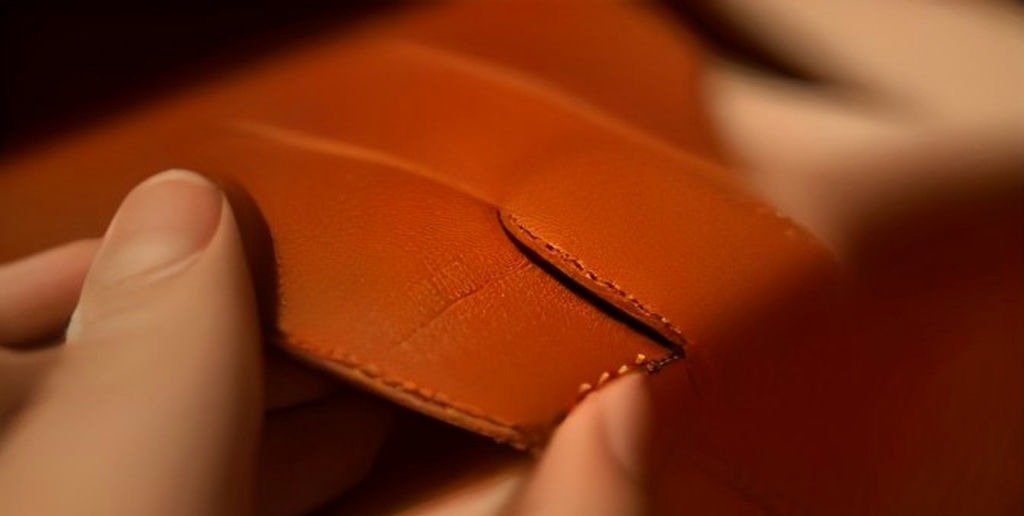
Not all leather is equal, and the name on the product page matters more than the word leather on its own. The table below explains the main types you will see when shopping for a Unity leather card wallet.
| Leather type | What it is | How it ages | What to expect |
|---|---|---|---|
| Full-grain leather | The top layer of the hide with the natural grain intact | Develops a rich patina and gets better with age | The most durable and the most expensive |
| Top-grain leather | The top layer with the surface lightly sanded and finished | Ages well, with a more uniform look | Durable and common in quality wallets |
| Genuine leather | A real leather layer, usually from lower layers of the hide | Wears faster and may look less refined over time | The word genuine alone does not mean high quality |
| Vegetable-tanned leather | Leather tanned with natural plant extracts | Darkens beautifully and develops character | Often used in handmade wallets, ages distinctively |
| Bonded leather | Leather fibres glued together with other materials | Peels and cracks with use | Best avoided for a wallet you want to keep |
| Faux leather | Plastic-based material made to look like leather | Does not age like leather and may peel | Cheaper, but it is not leather at all |
The practical rule is simple: full-grain and top-grain are the safest choices for a wallet you want to use for years. Vegetable-tanned leather is a good sign when a maker states it clearly, because it signals attention to materials. The words genuine leather on their own deserve a second look, because they describe a broad category rather than a quality grade. Bonded leather and faux leather should be avoided if longevity matters, whatever the price.
A second check is the lining. A well-made card wallet has a leather or strong fabric lining, not a thin plastic one. The lining takes as much wear as the outside, and a cheap lining fails first.
Unity Leather Card Wallet vs Traditional Wallet
The choice between a card wallet and a traditional wallet is really a choice about what you carry. The table below makes the trade-off clear.
| Feature | Leather card wallet | Traditional wallet |
|---|---|---|
| Size | Compact and slim, front-pocket friendly | Larger, usually a back-pocket bifold or trifold |
| Card capacity | Typically 4 to 12 cards | Often 10 or more cards plus extra pockets |
| Cash storage | A few folded notes at most | Full-length note compartment |
| Coin storage | Often none, sometimes a small pocket | Usually a dedicated coin section |
| Comfort | Sits flat, easy to carry all day | Can bulge and feel heavy when full |
| Organisation | Cards only, so finding one is fast | More compartments, so more to search through |
| Best for | Card and phone payments, minimal carry | Cash users, many cards, receipts and documents |
A card wallet wins for most modern daily use, where payment is by card or phone and cash is rare. A traditional wallet still wins for anyone who carries cash daily, keeps receipts, or needs to hold many different cards and documents in one place. Some people keep both: a slim card wallet for daily use and a larger wallet for travel.
What to Check Before You Buy
A Unity leather card wallet is not a single standardised product, so the buying checklist matters more than the brand name. Work through these checks on the actual product page before ordering.
- Read the full materials description and confirm whether it states full-grain, top-grain, vegetable-tanned or only the broad phrase genuine leather.
- Count the cards you carry every day, including your driving licence and ID, and choose a model with at least one more slot than that number.
- Check the stated dimensions against a wallet you already own, because a card wallet that is too wide for your pocket defeats its purpose.
- Look for clear photos of the stitching, the edges and the inside of the wallet, and be cautious if the listing shows only one distant photo.
- Confirm the return policy and whether the seller accepts returns for a wallet that does not fit your cards, since capacity is hard to judge from photos.
- Read recent customer reviews for mentions of stitching failure, peeling, card slots stretching, or sizes differing from the listing.
- Compare the price with similar leather card wallets from other makers, and be wary of a price that seems far below the normal range for real leather.
- Check whether RFID blocking is actually listed as a feature, and do not assume it is included when the page does not mention it.
One more caution applies to any wallet bought from a marketplace or an unfamiliar store. Listings sometimes reuse brand-style names and stock photos, so the item that arrives may differ from the photos. Buying from the seller’s own store or a well-reviewed listing reduces that risk, and a clear return policy is the safety net if the wallet is not as described.
Care and Maintenance
Leather lasts longer with a little care, and a card wallet is easy to maintain because it is small and handled every day.
- Keep it dry, and if it gets wet, let it dry naturally away from direct heat rather than using a hairdryer or a radiator.
- Clean it occasionally with a soft, dry cloth, and use a leather cleaner only when the maker recommends one for that leather type.
- Condition the leather a few times a year with a small amount of leather conditioner, which keeps it supple and slows cracking.
- Do not overstuff the card slots, because stretched slots never tighten again and cards begin to slip out.
- Keep it out of direct sunlight for long periods, since strong sun fades colour and dries the leather.
- Avoid storing it in a damp pocket or bag, because moisture encourages mould and stiffness.
A good leather card wallet should improve with age. Full-grain and vegetable-tanned leather darken slightly, soften, and pick up a patina that reflects how it is used. That ageing is a sign of real leather doing what it is supposed to do, not a defect.

Who Should Buy One, and Who Should Skip It
A Unity leather card wallet is worth considering if you pay mostly by card or phone, carry fewer than ten cards, want a slim front-pocket wallet, and like the look and feel of leather. It is a practical everyday carry item for office workers, commuters and travellers who pack light.
It is less suitable if you carry cash every day, need to hold many loyalty and membership cards, keep receipts in your wallet, or need a coin section for daily use. In those cases a larger leather wallet, a zip-around design, or a separate card holder plus a money clip may fit better. The wallet should match the way you pay, not the other way around.
The value of a specific Unity model depends on its construction, leather quality, card capacity, pricing and customer feedback. The concept is sound and the design is practical. The decision comes down to the individual product page, and the checklist above is the fastest way to judge it.
Frequently Asked Questions
What is a Unity leather card wallet?
A Unity leather card wallet is a slim, compact leather wallet designed around carrying essential cards in an organised way. The name Unity is used by sellers of leather accessories, so the exact materials, capacity and dimensions depend on the specific model being sold.
How many cards does it hold?
It depends on the model. Listings for Unity-style leather wallets commonly describe capacities from 4 to 12 cards, with larger long wallets and clutch designs holding more. Count the cards you carry daily and choose a model with at least one spare slot, since stated capacity usually assumes thin cards.
Is Unity leather real leather?
Models sold under Unity-related names are generally described as genuine or cowhide leather, but the quality varies by product. Check whether the listing states full-grain, top-grain or vegetable-tanned leather, and be cautious of vague descriptions or prices far below the normal range for real leather.
Is a card wallet better than a traditional wallet?
For card and phone payments it is usually better: slimmer, lighter and faster to use. For cash users or people who carry many cards, receipts and documents, a traditional wallet still works better. Many people keep a slim card wallet for daily use and a larger wallet for travel.
Does it have RFID protection?
Some models list RFID blocking as a feature and some do not. Check the product page for the specific model, and do not assume RFID protection is included when it is not mentioned.
How do I keep a leather card wallet in good condition?
Keep it dry, clean it with a soft cloth, condition the leather a few times a year, avoid overstuffing the card slots, and keep it out of prolonged direct sunlight. Good leather develops a patina with age, which is normal and desirable.
If you found this guide useful, you may also enjoy our other explainers on this blog — including our guide to Pigeimmo, our guide to Matarecycler, and our guide to the RLP Letter. Each one follows the same approach used here: verified facts first, clear attribution, and honest notes wherever the sources disagree.
