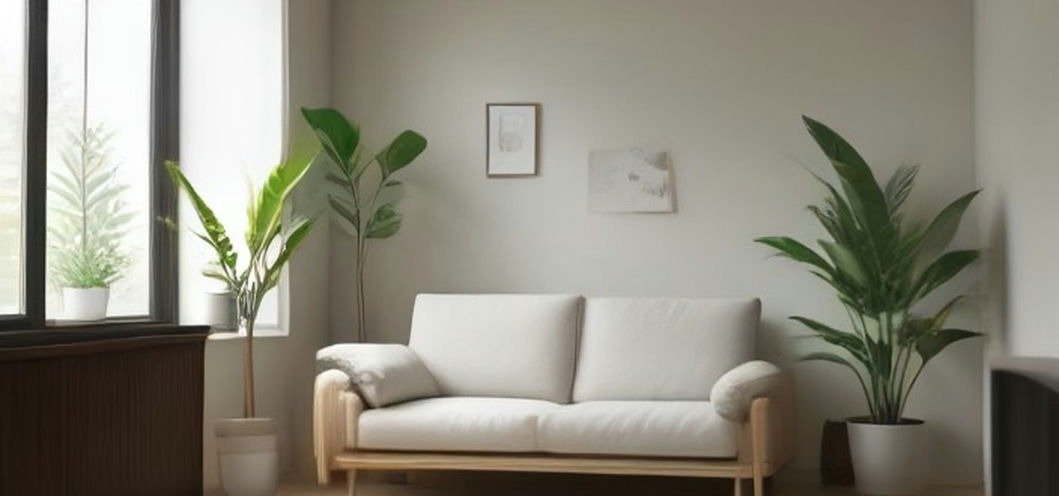
Quick answer: simpciry is an emerging term for a lifestyle built on simplicity and clarity — keeping what adds genuine value and removing what creates unnecessary complexity. It blends intentional living, mindful choices and uncluttered spaces, and it applies to your home, your work, your money and your attention. Simpciry is not a dictionary word with one official definition, and it is also a common misspelling of SimpCity, an unrelated online forum. This guide explains the lifestyle meaning, shows how to practise it, and clears up the confusion.
If your days feel crowded with notifications, subscriptions, possessions and obligations, simpciry offers a simple test for all of them: does this add real value, or does it only add noise? Anything that fails the test is a candidate for removal. The goal is not an empty house or a joyless routine. The goal is a life where what remains is useful, meaningful and calm.
What Does Simpciry Mean?
Simpciry is best understood as a blend of two ideas: simplicity and clarity. It describes an approach to living and design that combines intentional choices, clear thinking and functional spaces. In simple terms, simpciry means reducing unnecessary complexity while preserving the things that are useful, meaningful and important.
The term is still new. It does not have a universally accepted definition, and different websites describe it in slightly different ways. Some focus on interior design and uncluttered rooms. Others use it more broadly, as a philosophy for work, spending, relationships and digital life. Because the terminology is still developing, it is more accurate to describe simpciry as an emerging concept than as an established movement with a founder or a rulebook.
That honesty matters. A number of pages online claim a long history or a single origin for simpciry, but there is no strong evidence for a formally documented origin, a founding philosopher, or an academic definition. The idea draws on older traditions, including Japanese Zen, Scandinavian hygge and the slow living movement, but simpciry itself is a recent, internet-era label. What is real is the need it answers: modern life has become complicated faster than most people can manage, and a clear framework for simplifying it is genuinely useful.
At its heart, simpciry asks three questions about anything in your life. Does it serve a clear purpose? Does it make daily life easier or calmer? Would life be worse without it? If the answer to all three is no, it is clutter, whether it is a physical object, a commitment, an app or a habit.
Simpciry vs Minimalism and Essentialism
Simpciry is often confused with minimalism, and the two overlap, but they are not the same thing. The table below separates simpciry from its closest neighbours.
| Approach | Core idea | What it looks like in practice |
|---|---|---|
| Simpciry | Simplicity plus clarity, with purpose and warmth | Keep what is useful and meaningful, remove noise, stay comfortable and personal |
| Minimalism | Own as little as possible | Bare rooms, few possessions, strict limits on what is kept |
| Essentialism | Do only what is essential | Ruthless prioritising, saying no to almost everything, focus on one thing |
| Slow living | Take life at a gentler pace | Fewer commitments, unhurried routines, time for rest and reflection |
| Hygge | Comfort and cosiness | Warm light, soft textures, shared meals, contentment at home |
The key difference is tone. Minimalism can feel rigid or sterile, and essentialism can feel severe. Simpciry is softer and more human. It does not demand an empty room or a single priority. A simpciry home can have books, art and a favourite chair, as long as each thing earns its place. A simpciry schedule can be full, as long as every commitment has a clear reason. Clarity is the test, not emptiness.
Simpciry also differs from minimalism in scope. Minimalism is mainly about possessions. Simpciry applies the same thinking to decisions, information, relationships and digital life. A cluttered inbox, a phone full of unused apps and a calendar full of vague obligations are all simpciry problems, even though none of them is a physical object.
The Core Principles of Simpciry
Most guides agree on a small set of principles, even when they use different words for them. These five cover the idea in full.
- Intentionality comes first, which means every possession, commitment and habit should exist for a reason you can state in one sentence, and anything without a reason is a candidate for removal.
- Clarity guides decisions, which means goals, priorities and spaces should be transparent and easy to understand, so you always know what matters most and where things belong.
- Function beats decoration, which means a thing earns its place by being useful, not by looking impressive, and a beautiful object that is never used is still clutter.
- Sustainability favours what lasts, which means choosing durable, quality items over cheap, disposable ones, and choosing habits that can be kept for years rather than followed for a week.
- Balance protects rest, which means space for quiet, sleep and unstructured time is treated as essential, not as wasted time, because a clear mind needs room to breathe.
Two supporting ideas appear in many guides as well. Mindfulness means paying attention to the present moment instead of running on autopilot, which is what makes it possible to notice clutter in the first place. And simplicity in relationships means choosing depth over volume, keeping a smaller number of genuine connections rather than a large number of shallow ones.
Simpciry in Interior Design
Interior design is where simpciry is easiest to see. A simpciry room is functional, comfortable, visually balanced and free from unnecessary clutter. It is not a showroom. It is a room that is easy to live in.
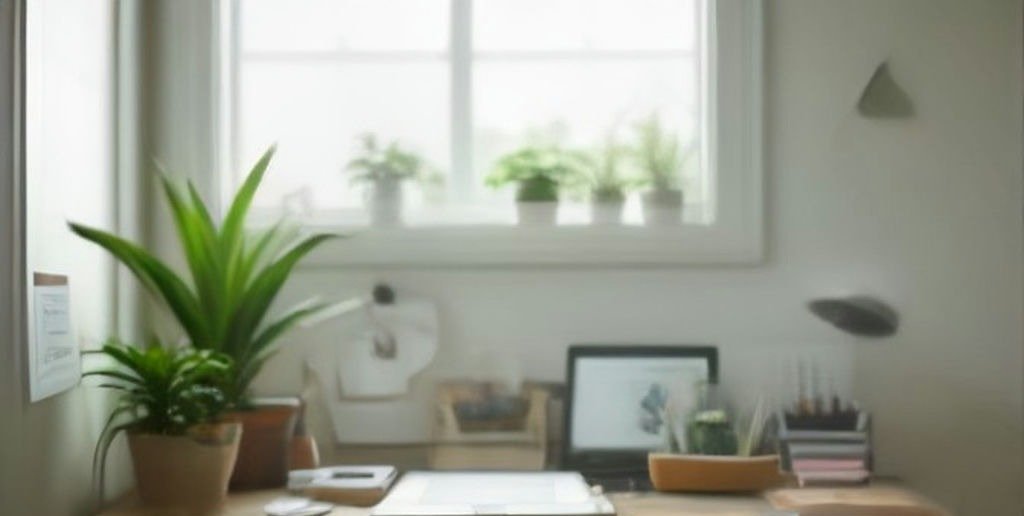
The usual starting point is a single room, not the whole house. Remove everything from one surface, such as a desk or a kitchen counter, and put back only what is used every week. The items that do not return go into a box. If nothing in the box is missed after a month, it can leave the house. The same test works for a wardrobe, a bookshelf and a drawer.
Furniture follows the same logic. A simpciry room has furniture that serves a clear purpose and leaves space to move. Multi-purpose pieces help: a table that works for meals and for work, storage that hides the things you need but do not want to see, and seating that is comfortable enough to use every day. Light and air matter more than decoration. A room with natural light, clear surfaces and a few meaningful objects feels calmer than a room crowded with ornaments.
Colour and texture stay simple. Neutral bases with one or two accent colours, natural materials such as wood and cotton, and a small number of personal items such as a photograph or a handmade object give the room warmth without noise. The test is the same as everywhere else in simpciry: does this add comfort or meaning, or does it only fill space?
Simpciry in Daily Life
The same thinking applies beyond the home. Four areas cover most of daily life, and each one has a simple simpciry practice.
Work and time
A simpciry workday starts with one clear priority, not a list of twenty tasks. The most important task is done first, before email and messages. Meetings need a purpose and a time limit, and a meeting without either is declined or shortened. At the end of the day, the desk is cleared and the next day’s single priority is written down, so the morning starts with clarity instead of a search through notes.
Money and spending
Simpciry spending is intentional spending. Before buying something, ask whether it solves a real problem, whether a cheaper or existing option already works, and whether it will still be used in six months. Subscriptions get a monthly review: any service unused in the last month is cancelled. The money saved is not the point on its own. The point is that every purchase is a choice rather than a reflex.
Digital life
Digital clutter is often the heaviest kind because it is invisible. A simpciry phone has a small number of apps, notifications turned off for everything except people and emergencies, and a single place for notes and tasks. Email is checked at set times rather than all day. Social media gets a time limit, and accounts that leave you feeling worse are unfollowed. The result is not less technology, but technology that serves you instead of interrupting you.
Relationships and commitments
A simpciry calendar has white space in it. Commitments are accepted only when they are wanted or genuinely necessary, and saying no is treated as normal rather than rude. Social energy goes to a smaller number of deeper relationships: regular time with close friends and family rather than scattered attention across dozens of acquaintances. The quality of the time matters more than the quantity of contacts.
The Benefits and the Honest Limits
People who practise simpciry commonly report the same benefits, and the table below lists them alongside the honest limits, because no lifestyle idea is a cure for everything.
| Benefit | How it shows up | Honest limit |
|---|---|---|
| Less stress | Fewer decisions, clearer spaces, quieter mind | It does not remove real problems such as debt or illness |
| More focus | One priority at a time, fewer interruptions | It requires ongoing effort, not a single clear-out |
| More time | Fewer obligations and less searching for things | The first weeks take time before they save time |
| Better spending | Intentional purchases, cancelled subscriptions | It is not a budgeting system on its own |
| Calmer home | Uncluttered rooms that are easy to keep tidy | A shared home needs agreement, not one person’s rules |
| Clearer thinking | Written priorities and regular review | It does not replace professional help for anxiety or burnout |
The most common mistake is treating simpciry as a one-time project. A weekend clear-out feels good, but clutter returns unless the habit of asking the three questions continues. The second mistake is applying it to other people. A partner’s belongings, a child’s toys and a colleague’s working style are not yours to simplify. Simpciry works best as a personal practice that others can join voluntarily.
A 30-Day Starter Plan
A month is enough to feel the difference without turning life upside down. The plan below changes one small thing at a time.
- On day 1, write your three top priorities for the month on a single card and keep it visible, because every later decision is tested against those three lines.
- In the first week, clear one surface a day, such as a desk, a kitchen counter or a bedside table, putting back only what is used weekly.
- In the second week, review your phone, removing unused apps, turning off non-essential notifications and unfollowing accounts that add noise.
- In the third week, review money, cancelling one unused subscription and listing every recurring payment with its real monthly cost.
- In the fourth week, review commitments, declining one obligation that has no clear purpose and protecting one evening a week as unscheduled time.
- On day 30, walk through your home and your calendar and note what feels lighter, then keep the three questions as a weekly habit.
Small steps matter more than dramatic ones. Removing one drawer of clutter a day for a month changes a home more reliably than a single exhausting weekend, and it is far more likely to be repeated.
Simpciry or SimpCity? Clearing Up the Confusion
One confusion must be addressed directly, because it affects anyone searching for the term. Simpciry is a common misspelling of SimpCity, and the two have nothing to do with each other.
SimpCity is an online forum known for sharing content leaked from paid subscription platforms and social media accounts. It has repeatedly moved between web domains to avoid takedowns. Visiting it carries security risks, and the content it hosts can involve copyright infringement and non-consensual intimate imagery. In the United States, the TAKE IT DOWN Act makes it a crime to knowingly publish intimate images without consent, and covered platforms must remove reported images within 48 hours.
The misspelling is easy to make: the letter t in SimpCity sits next to r on a standard keyboard, so simpciry is a natural typing error. If you searched for simpciry and found warnings about risks, legal issues and content removal, you were reading about the forum, not the lifestyle. The lifestyle meaning described in this guide has no connection to that site, and this guide does not link to it or endorse it.
For creators whose content has been shared without consent, removal services and reporting tools exist. StopNCII.org creates a digital fingerprint of intimate images so participating platforms can block them without you uploading the image itself. Platform reporting tools and legal advice are the practical next steps.
Frequently Asked Questions
What is simpciry?
Simpciry is an emerging lifestyle concept that blends simplicity and clarity. It means keeping what adds genuine value and removing what creates unnecessary complexity, in your home, your work, your money and your attention. It is not yet a dictionary word with one official definition.
Is simpciry the same as minimalism?
No, although they overlap. Minimalism focuses mainly on owning as little as possible. Simpciry is broader and softer: it applies the same thinking to decisions, information, commitments and digital life, and it keeps things that are comfortable and meaningful rather than aiming for emptiness.
Is simpciry a real word?
It is a real emerging term used by a growing number of websites since 2025, but it is not an established dictionary word and has no single verified origin or founder. It should be described as an emerging concept rather than an ancient philosophy.
What is the difference between simpciry and SimpCity?
Simpciry is a lifestyle idea about simplicity and clarity. SimpCity is an unrelated online forum known for sharing leaked content, and simpciry is a common misspelling of its name. The two have nothing in common beyond similar spelling.
How do I start practising simpciry?
Start with one surface, one app, or one commitment. Ask three questions: does it serve a clear purpose, does it make life easier or calmer, and would life be worse without it? Remove what fails the test, and repeat weekly. The 30-day plan in this guide is a practical starting point.
Does simpciry mean giving up things I enjoy?
No. Simpciry keeps what is useful and meaningful, including hobbies, favourite objects and busy periods that have a clear purpose. The aim is to remove noise, not joy. A collection you love and use passes the test easily.
If you found this guide useful, you may also enjoy our other explainers on this blog — including our guide to Pigeimmo, our guide to Matarecycler, and our guide to the RLP Letter. Each one follows the same approach used here: verified facts first, clear attribution, and honest notes wherever the sources disagree.
